Fort Worth Home Remodeling: What Really Drives the Price Tag?
Knowing what goes into the cost of remodeling your Fort Worth home helps you nail down your budget for kitchen, bath, additions, or whole-house projects. We’ll cover typical price ranges, the big cost factors—what you want done, the materials, the crew, permits, and those unexpected bits—plus the lowdown on permits, getting the most bang for your buck, financing, picking the right contractor, and what different materials will set you back. Whether you’re thinking a small refresh or a major overhaul, you’ll get the inside scoop and see how SCS Contracting and Remodeling DFW’s Fort Worth remodeling know-how can lead to clear pricing and a consultation tailored just for you.
What’s the Average Cost for a Fort Worth Home Remodel?
Renovation expenses in Fort Worth, Texas, can swing quite a bit depending on the project’s size, scope, and the level of finishes you choose. Here are some typical cost brackets for kitchens, bathrooms, additions, and full home makeovers to give you a solid starting point for budgeting and comparing services from trusted pros likeSCS Contracting and Remodeling’s Fort Worth remodeling services.
How Much Does a Kitchen Remodel Cost in Fort Worth?
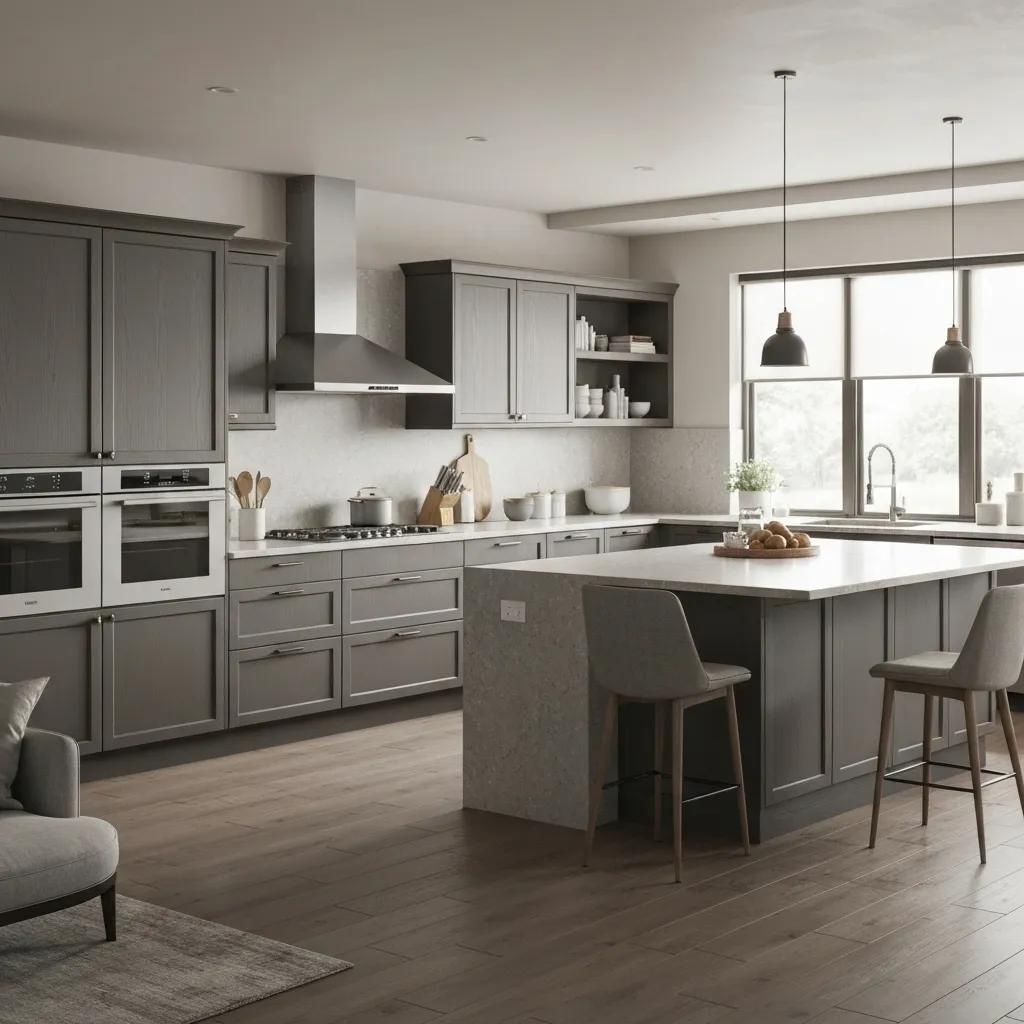
Expect a kitchen remodel in Fort Worth to run anywhere from a basic refresh at around $15,000 to a high-end transformation that could top $40,000. These numbers generally include:
Your material choices and how complex the job is will really move these numbers around, setting the stage for the bigger cost influences we’ll dive into next.
What’s the Average Cost for a Bathroom Remodel in Fort Worth?

Bathroom renovations in Fort Worth often fall in the $5,000 to $30,000 range, depending on the size, any layout changes, and the quality of finishes. For example:
Smart choices on fixtures and how you reconfigure the space can help you balance your budget with the look you’re going for.
How Much Do Home Additions Cost in Fort Worth?

Additions in Fort Worth typically run between $100 and $200 per square foot, with a 1,000-square-foot addition often starting around $150,000.
Understanding Home Addition Costs in Fort Worth, Texas
Home addition costs in Fort Worth, Texas, typically range from $119 to $238 per square foot. For a complete 1,000-square-foot addition, projects can start around $119,000 to $238,000. More complex projects, such as second-story additions, may begin at $325,000 or more, reflecting the increased engineering and structural requirements.
This provides verified cost ranges and factors influencing the price of home additions in Fort Worth, aligning with the article's content on budget requirements for expanding living spaces.
Common types of additions include:
Sunroom or Patio Enclosure: $100–$150 per sq ft
Second-Story Addition: $200–$300 per sq ft
Garage Conversion: $80–$150 per sq ft
Looking at the cost per square foot helps you see exactly how the size of your addition translates into your budget.
What Are the Typical Costs for a Whole House Remodel in Fort Worth?
A full home renovation in Fort Worth can range from $30,000 for a light cosmetic update to $80,000 or more for a complete structural overhaul. Here are some general cost brackets:
These average figures give you a good baseline for planning your own project and deciding what improvements are most important.
What Are the Main Things That Affect Home Remodeling Costs in Fort Worth?
The final price tag for your home remodel hinges on five key factors: the scope of your project, the quality of materials you choose, labor rates, permit requirements, and having a buffer for unexpected issues.
How Does the Scope and Scale of Your Project Affect Costs?
The scope of your project dictates how much work is involved, from simple cosmetic touches to major structural changes. Small updates like painting and swapping out fixtures might cost less than $10,000, but if you’re moving walls or reconfiguring the layout, you’ll add costs for framing, drywall, and engineering, which quickly increase the overall expense. Thinking ahead about the extra labor and structural work needed will help you budget realistically when moving from a quick refresh to a full remodel.
How Do Material Selections and Finishes Impact Remodeling Costs?
Your choice of materials—from basic laminate countertops to high-end quartz and custom wood cabinets—directly impacts both the cost and how long they’ll last. Consider this comparison:
Choosing mid-range options can often strike the perfect balance between your investment and the potential resale value of your home.
What Are the Labor and Contractor Fees in Fort Worth?
In Fort Worth, skilled trades like carpentry, plumbing, and electrical work typically charge around $40–$60 per hour. General contractors usually add a 10–20% fee on top of subcontractor costs to cover project management, insurance, and overhead. Hiring a licensed and insured local contractor ensures you’re compliant with building codes and often speeds up the permitting process, but it does come at a higher price than unlicensed labor.
When Are Permits Required and How Do They Affect Costs?
Permits are a must for any structural changes, electrical rewiring, plumbing relocation, or room additions. Permit fees in Fort Worth start at about $112 for simple jobs and go up with project complexity. Including permit costs in your initial budget prevents unexpected expenses and keeps your project on track by avoiding code violations or work stoppages.
Fort Worth Residential Remodeling Permit Requirements and Fees
In Fort Worth, building permits are required for significant residential remodeling projects, including structural alterations, room additions, and modifications to electrical, plumbing, or HVAC systems. Cosmetic updates like painting or minor fixture replacements typically do not require formal approval. Permit fees generally start around $112 and increase based on project complexity and the number of trades involved.
This verifies the article's information on when permits are required and the typical cost structure in Fort Worth, ensuring compliance with local regulations.
What Are the Permit Requirements and Fees for Remodeling in Fort Worth?
Understanding Fort Worth’s permitting process is key to staying legal, avoiding costly delays, and preventing fines.
Which Remodeling Projects Require Building Permits in Fort Worth?
Structural work, like removing or adding load-bearing walls, major electrical rewiring, plumbing system changes, HVAC installations, and home additions, all require official permits. Cosmetic upgrades—such as painting, replacing tiles, or swapping out minor fixtures—usually don’t need formal approval.
How Much Do Fort Worth Remodeling Permits Typically Cost?
Permit fees are calculated based on the project type, its estimated value, and the number of different trades involved. Typical fee ranges include:
Residential Remodel (structural): $200–$400
Electrical or Plumbing Permit: $112–$250 per trade
Addition Permit (per sq ft): Varies; often $0.05–$0.10 per sq ft
Accurately estimating these permit expenses upfront helps protect your overall budget.
What Is the Process to Apply for Remodeling Permits in Fort Worth?
Applying for a permit involves these steps:
Submitting detailed plans and specifications to Development Services
Paying application and review fees
Scheduling plan review and inspection appointments
Displaying the approved permit on-site before work begins
Getting these steps done promptly helps avoid inspection delays and keeps your project on schedule.
How Can Homeowners Maximize Return on Investment (ROI) from Fort Worth Remodels?
Choosing the right projects and making smart design decisions can turn your remodeling investment into lasting home value in the Fort Worth market.
Which Remodeling Projects Offer the Highest ROI in Fort Worth?
Kitchens, bathrooms, and exterior upgrades consistently provide strong returns:
Kitchen Remodels: 70–80% ROI
Bathroom Remodels: 60–75% ROI
Exterior Improvements(siding, entry doors): 65–85% ROI
Maximizing Home Remodel ROI in Dallas-Fort Worth
Studies on the Dallas-Fort Worth housing market indicate that kitchen remodels typically yield a return on investment (ROI) of 70-85%, while bathroom remodels offer 60-75%. Exterior improvements, such as siding replacement and new entry doors, also demonstrate strong returns, often ranging from 65-85% of the investment.
This research directly supports the article's claims about high-ROI projects in Fort Worth, providing specific percentage ranges for kitchens, bathrooms, and exterior upgrades.
How Do Smart Material and Design Choices Increase Home Value?
Opting for durable, low-maintenance materials—like quartz countertops, energy-efficient windows, and modern fixtures—boosts curb appeal and makes your home more attractive to buyers. Incorporating neutral color schemes and open-concept layouts also broadens buyer appeal, enhancing your long-term investment returns.
What Are the Benefits of Hiring a Design-Build Contractor in Fort Worth?
A design-build contractor simplifies budgeting, combines architectural design with construction expertise, and minimizes miscommunication by handling all services under one roof. This integrated approach often leads to tighter cost controls, quicker project completion, and better coordination, ultimately maximizing the value you get from your remodeling budget.
How Can Homeowners Budget and Finance Their Fort Worth Home Remodel?
Smart budgeting and financing strategies ensure your project runs smoothly without sacrificing quality or scope.
What Are Effective Budgeting Strategies for Fort Worth Remodels?
Create a detailed budget that breaks down expenses into categories like:
Materials(cabinets, flooring, fixtures)
Labor and Contractor Fees
Permits and Inspections
Contingency(a 10–15% buffer for the unexpected)
Keep this budget updated as you get bids and finalize material choices to stay on track with your spending.
What Financing Options Are Available for Home Remodeling in Fort Worth?
Common funding sources include home equity lines of credit (HELOC), personal loans, cash-out refinancing, and specialized renovation loans like the FHA 203(k). Each option has different interest rates, approval times, and equity requirements, so it’s important to compare the terms against your project’s timeline to find the best fit.
How Can Homeowners Get Accurate Remodeling Quotes from Fort Worth Contractors?
Ask for detailed, written estimates that clearly outline costs for materials, labor, permits, and contingencies. Providing contractors with precise project details, existing floor plans, and your chosen finishes ensures the quotes accurately reflect the scope of work. Free consultations and scope reviews—like those offered on theSCS Contracting and Remodeling DFW homepage—help you compare pricing transparently.
How Do You Choose the Right Home Remodeling Contractor in Fort Worth?
Selecting a reliable contractor is crucial for ensuring quality, staying on schedule, and managing costs effectively for any renovation project.
What Questions Should Homeowners Ask Fort Worth Remodelers?
Are you licensed and insured for Texas residential remodels?
Can you provide references or a portfolio of recent Fort Worth projects?
How do you handle change orders and unexpected cost adjustments?
Getting clear answers to these questions will reveal a contractor’s trustworthiness and how transparent they are about pricing.
How Does Contractor Experience Affect Remodeling Costs and Quality?
Local experience means a contractor is familiar with Fort Worth building codes, the permitting process, and has established relationships with reliable subcontractors. Experienced contractors often secure better material prices and deliver higher-quality work, which can offset their higher rates through greater efficiency and less need for rework.
Where Can Homeowners Find Reviews and Testimonials for Fort Worth Contractors?
You can check a contractor’s reputation through the Better Business Bureau, Google Business Profile reviews, and local platforms like Nextdoor or neighborhood Facebook groups. Positive feedback from third parties builds confidence and increases the likelihood of a successful project.
What Are the Key Material Costs Affecting Fort Worth Home Remodel Budgets?
Material expenses often make up 30–50% of the total renovation budget, so choosing wisely is essential for controlling costs and ensuring longevity.
How Much Do Kitchen Cabinets and Countertops Cost in Fort Worth?
Planning for cabinet and countertop expenses early on helps you create an accurate budget for your kitchen projects.
What Are Typical Bathroom Fixture and Flooring Costs?
Matching fixture quality to your actual needs helps you get the best value without overpaying for features you won’t use much.
How Do Material Choices Influence Durability and Long-Term Value?
Selecting high-performance materials—like engineered hardwood, quartz surfaces, and energy-efficient windows—means less maintenance, fewer repair costs, and less need for early replacement, all of which boost your home’s value over time. Investing in durability and warranties might cost more upfront, but it provides better long-term value and makes your home more appealing when it’s time to sell.
Remodeling your Fort Worth home involves careful cost assessment, smart material choices, following regulations, and strategic financing to achieve both your design dreams and financial goals. By considering every aspect—from average prices to vetting contractors—homeowners can approach renovations with confidence, minimize surprises, and rely on SCS Contracting and Remodeling DFW’s expertise for a smooth and transparent experience.
