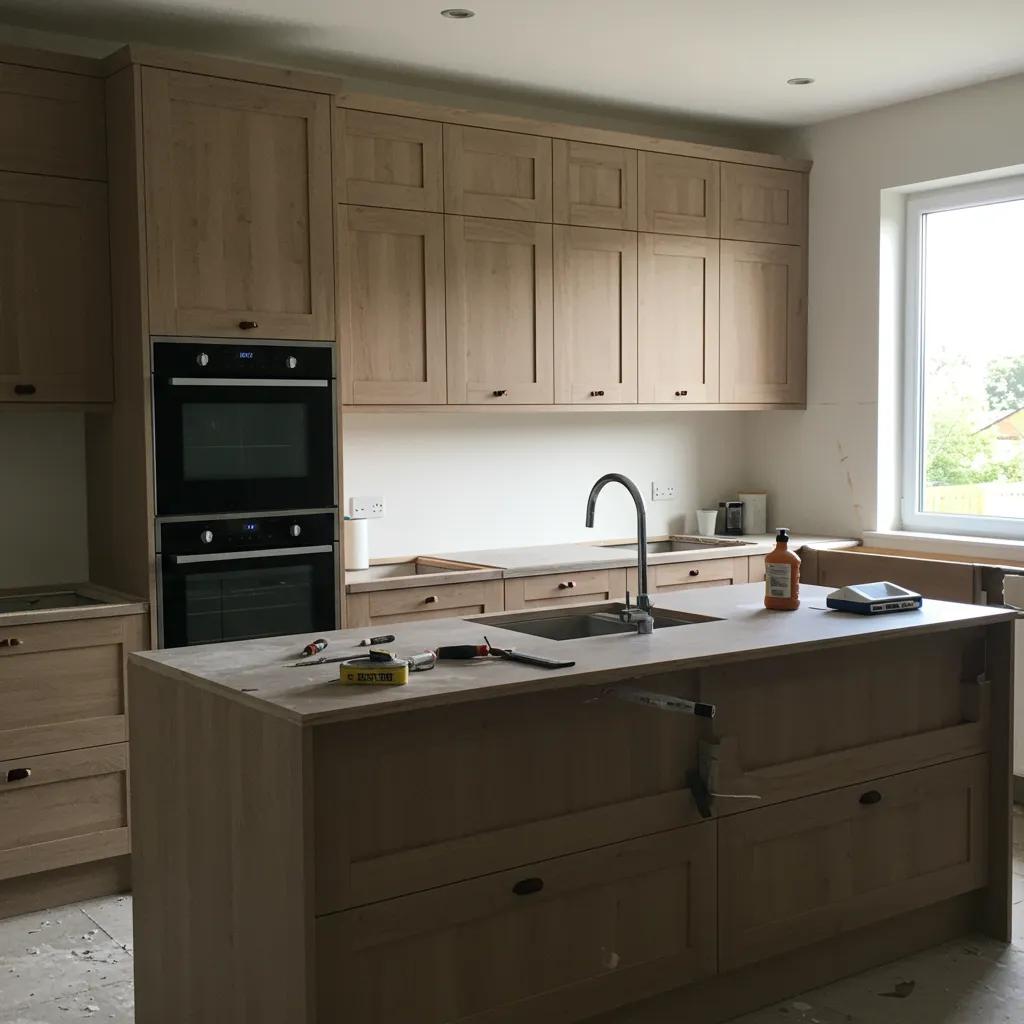
Your Guide to Kitchen Remodeling Timeline in Fort Worth
Kitchen Remodeling Timeline in Fort Worth Explained: How Long Does a Kitchen Remodel Take?

A Fort Worth kitchen remodel combines design choices, permitting, material lead times, and construction sequencing into a predictable timeline that you can plan around. This guide explains typical phases, realistic week ranges for each stage, how Fort Worth-specific permits and inspections influence schedules, and practical ways to shorten wait times without sacrificing quality. You'll learn the difference between a minor update, a mid-range renovation, and a full gut remodel in terms of calendar time and common delaying factors such as custom cabinets or structural changes. This guide maps each major H2 topic—phases of work, overall duration expectations, permit triggers, construction steps, cost and lead-time management, and post-construction closeout—so you can compare options, set budget priorities, and reduce surprises. For Fort Worth homeowners seeking local expertise, SCS Contracting & Remodeling DFW is your trusted resource for timeline assessments and free quote requests that align with the guidance below.
SCS Contracting & Remodeling DFW is a trusted home and commercial remodeling company serving Fort Worth and surrounding DFW areas. Our emphasis on honest communication, craftsmanship, and custom solutions complements the timeline guidance here, and we offer free quotes to Fort Worth homeowners who want a timeline-based estimate. This brief company mention supports the guide without replacing practical timeline advice; keep reading for phase-by-phase expectations and actionable tips to keep your project on schedule.
What Are the Typical Phases of a Kitchen Remodel in Fort Worth?

A kitchen remodel in Fort Worth typically follows four major phases: planning & design, permits & preparation, construction and installation, and finishing & punch list. Each phase plays a distinct role in the schedule: planning shapes scope and lead-time needs, permits determine when construction can start, construction covers demolition through installations, and finishing includes inspections and final adjustments that close the project. Understanding these phase boundaries helps you sequence decisions—especially selections with long lead times like custom cabinets and stone countertops—so that materials arrive when trades are ready to install them. Recognizing these phases upfront helps you reduce costly change orders and schedule drift by aligning procurement with contractor milestones.
A clear, numbered overview helps you track where effort and time concentrate.
Planning & Design: Define scope, finalize layouts, order critical materials.
Permits & Prep: Obtain required permits and complete site logistics.
Construction & Installation: Demo, rough-in, cabinetry, counters, flooring, fixtures.
Finishing & Punch List: Final inspections, touch-ups, and functional testing.
These phases lead directly into specific week-by-week expectations, which clarifies how long each activity usually takes and what causes extensions.
How Long Does Each Kitchen Remodel Phase Usually Take?
Typical phase durations depend on scope but follow predictable week ranges that Fort Worth homeowners can use for planning. Planning and design commonly take 2–6 weeks for decisions, measurements, and ordering long-lead items; permit processing and prep usually add 1–4 weeks depending on complexity and Fort Worth Development Services workload. The construction phase—demo through major installations—typically spans 4–12 weeks depending on whether the project is a minor update or a full gut renovation, with additional time for countertop templating and fabrication. Finishing, inspections, and punch-list corrections generally require 1–3 weeks to complete and sign off. These ranges assume typical permitting and no major unforeseen structural issues; custom cabinetry, specialty countertops, or phased construction can extend individual phases.
Understanding these ranges helps you set realistic move-out plans and temporary kitchen arrangements, since construction windows dictate when appliances and permanent plumbing will be unavailable.
What Happens During the Planning and Design Phase?
Planning and design set the foundation for a smooth timeline by aligning scope, budget, and lead-time management before demolition begins. This phase includes an initial consultation, site measurements, schematic and final drawings, material selections, and final price approvals; each step reduces the risk of late decisions that pause work. Effective planning identifies items with long lead times—custom cabinets, engineered stone slabs, or specialty appliances—and orders them early or selects in-stock alternatives to keep the schedule tight. Good designers and contractors create a procurement calendar tied to construction milestones so materials arrive just before installation windows, minimizing storage issues and installation delays. Clear approval of drawings and selections at this stage lets the project proceed directly into permitting and scheduling with fewer change orders.
A strong planning phase directly shortens on-site construction time because trades can work without waiting for delayed decisions or unavailable materials.
How Long Does a Kitchen Remodel Usually Take in Fort Worth?
Directly answering the main question: a standard mid-range kitchen remodel in Fort Worth commonly takes about 4–8 weeks of on-site construction, while a full gut remodel typically requires 8–12+ weeks of construction, and the complete process from initial planning to final walkthrough often spans 3–6 months when planning and material lead times are included. These durations reflect regional averages and account for common Fort Worth permit and inspection cycles, material procurement, and coordination between trades. You'll want to add lead times for custom elements—cabinetry and countertops—when projecting an overall calendar, since procurement often precedes or overlaps with early construction tasks. When fast turnaround is essential, choosing stock or semi-custom options and prioritizing early ordering are reliable strategies to compress schedules.
Below is a comparative EAV-style table showing remodel scopes with estimated construction durations and rough cost ranges to help visualize trade-offs between time and investment.
This table clarifies how more extensive scopes demand longer on-site time and higher investment; the planning and procurement window should be added to each construction duration for full timeline estimates.
What Is the Average Kitchen Renovation Duration in the DFW Area?
Average renovation timelines across DFW reflect a wide spectrum: many mid-range projects land in the 4–8 week construction window, while full renovations requiring structural changes or total reconfiguration often push beyond 12 weeks of on-site work. Planning and ordering typically add 4–12 weeks to these construction windows depending on selections and permit timelines, so you should plan for a 3–6 month overall timeline from first meeting to final walkthrough in most cases. Fort Worth projects align with these regional averages but can vary with local permit speeds and vendor lead times. Comparing your desired scope to these averages lets you set realistic expectations for living arrangements and contractor scheduling.
Clear early decisions about layout and materials reduce the calendar impact of ordering and permit tasks, tightening the timeline closer to the lower end of these ranges.
Which Factors Can Extend the Kitchen Remodel Project Length?
Several common drivers extend remodel timelines: delayed permits, structural work (load-bearing wall removal), custom cabinet fabrication, exotic countertop templating and fabrication, appliance backorders, and unforeseen plumbing or electrical issues discovered during demolition. Each factor interrupts the linear flow of work because trades and inspections must align sequentially; for example, rough-in inspections must pass before drywall can be closed and finishes installed. Change orders initiated by late design decisions or budget shifts are another major source of schedule creep. Mitigation strategies include early permitting, upfront decision deadlines, selecting in-stock materials where possible, and using local fabricators and suppliers to reduce logistics delays.
Understanding these delay sources lets you prioritize actions—such as ordering cabinets early or avoiding structural scope increases—that have the largest impact on keeping your project on schedule.
When Are Permits Required for Kitchen Remodeling in Fort Worth?
Yes — permits are required for electrical, plumbing, mechanical (HVAC) work, and any structural changes in a Fort Worth kitchen remodel; cosmetic updates like cabinet refacing, painting, or replacing countertops usually do not require permits. The permitting process in Fort Worth involves submitting drawings and trade-specific details to Fort Worth Development Services and scheduling inspections as work progresses. Typical permit lead times vary by scope and season; simple trade permits may be issued quickly while structural or extensive mechanical changes can add days to weeks. Because inspections occur at set points (e.g., rough-in, final), permit timing directly impacts when the contractor can proceed to subsequent stages, making permit readiness a critical schedule gating item.
Proactive permit management—complete applications, accurate drawings, and licensed trades—reduces back-and-forth and potential delays during inspections.
What Types of Permits Are Needed for Electrical, Plumbing, or Structural Work?
Fort Worth remodels typically require distinct permits depending on the trade: an electrical permit for rewiring, additional circuits, or relocations; a plumbing permit for moving sinks, gas lines, or appliances; and a structural or building permit for removing or altering load-bearing walls or changing floor/ceiling framing. Mechanical permits apply when adjusting HVAC ducts or installing new ventilation. Each permit is tied to specific inspection checkpoints that must pass before that phase concludes. Securing trade-specific permits through licensed professionals ensures inspections match the submitted scope and lowers the chance of rework due to non-compliance.
Submitting complete permit packages and scheduling inspections in advance helps align contractor sequences and reduces idle time waiting for approvals.
How Do Fort Worth Building Codes Affect Your Kitchen Remodel Timeline?
Fort Worth building codes define inspection checkpoints and compliance requirements that influence schedule sequencing—for example, rough-in inspections must be completed and approved before insulation and drywall proceed. Incomplete plans or omissions on permit applications commonly trigger requests for revisions, which add days or weeks to the timeline. Working with contractors experienced in Fort Worth Development Services helps anticipate code interpretations and prepare documentation that passes reviews efficiently. Additionally, seasonal workload at the local permit office can change turnaround times, so early submission and follow-up help avoid bottlenecks. Efficient code compliance and scheduling minimize inspection-related pauses and keep the remodel progressing smoothly.
Preparing accurate documentation and using licensed trades are practical steps to avoid code-related delays and reduce inspection rejections.
What Are the Key Construction and Installation Steps in a Fort Worth Kitchen Remodel?
Construction follows a sequence of interdependent steps: demolition and site prep, structural and rough-in work, drywall and paint, cabinet installation, countertop templating and installation, flooring, and appliance and fixture hookups, ending with finishing touches and inspections. Each step depends on the previous one; for example, countertops require cabinet installation to be complete, and appliance hookups require finished cabinetry and completed rough-in inspections. Clear trade coordination and a project schedule that sequences deliveries to coincide with installation windows reduce idle time for crews and mitigate storage concerns. Understanding the order of operations helps you accept temporary inconveniences and plan for access and protective measures during work.
A compact, numbered step list clarifies major activities and their logical order for you.
Demolition and site protection to prepare for new work.
Structural adjustments and mechanical/plumbing/electrical rough-ins.
Drywall, paint, and back-splash preparations.
Cabinet installation followed by countertop templating and installation.
Flooring, final fixtures, appliance hookups, and final inspections.
These steps frame the detailed durations in the table below to compare typical weeks for each activity.
This table demonstrates where week-to-week work concentrates and which activities commonly require the most coordination, such as countertop fabrication and templating that often introduce a 1–3 week lead time.
How Is Demolition and Site Preparation Managed?
Demolition and site prep remove existing finishes and create a safe work environment through dust control, protective barriers, and organized debris removal. Effective contractors schedule containment, protected access routes, and designated debris staging to minimize impact on the remainder of the home and allow trades to follow quickly. Quick, controlled demolition typically takes several days to two weeks depending on scale and whether hazardous materials or careful salvage is required. Proper site prep also includes verifying rough-in locations to prevent rework, aligning demolition scope to the approved drawings, and coordinating dumpster and disposal logistics. Efficient demolition and prep speed the transition to rough-in work when permits and subcontractor scheduling are aligned.
Thorough site preparation reduces the chance of delays later by ensuring subsequent trades can begin without waiting for cleanup or corrections.
What Is Involved in Rough-In Work for Plumbing, Electrical, and HVAC?
Rough-in work positions new plumbing and electrical routes, installs necessary framing supports, and modifies HVAC where needed before walls are closed with drywall. This phase requires precise coordination because inspectors must approve installations prior to insulation and drywall, and any corrections add schedule risk. Typical rough-in durations run one to two weeks for average kitchens, longer if major rerouting or additional circuits are needed. Scheduling licensed plumbers, electricians, and mechanical contractors back-to-back and planning inspections proactively reduces downtime between rough-in completion and the next phase. Clear documentation and close contractor oversight help ensure rough-in work passes inspection promptly so the project can continue on schedule.
Accurate rough-in execution and inspection readiness are critical to preventing drywall or finish delays that ripple through the rest of the timeline.
How Long Does Cabinet, Countertop, Flooring, and Appliance Installation Take?
Cabinet installation for stock or semi-custom systems often completes in 1–2 weeks, while fully custom cabinetry includes fabrication lead times that add several weeks before on-site installation. Countertop workflows require templating after cabinets are installed; fabrication and install commonly take 1–3 weeks depending on material choice and shop schedules. Flooring installation typically occurs after cabinet toe-kicks are set or in coordination with cabinet installers when appropriate; flooring work runs 1–2 weeks depending on square footage and material. Appliance delivery and hookup are scheduled when cabinetry and countertops are finished and electrical/plumbing connections are available, usually completing within days once final installations occur. The combined sequencing explains why ordering and vendor coordination are essential to avoid gaps between trades.
Choosing in-stock cabinets and local countertop fabricators is one of the most effective ways to shorten these critical installation windows.
How Can Homeowners Manage Costs and Material Lead Times During Their Fort Worth Kitchen Remodel?

You can manage costs and lead times by prioritizing decisions, selecting local suppliers, and balancing custom choices with in-stock alternatives to reduce procurement delays. Budget tiers influence both material quality and time-to-install: higher budgets can secure expedited fabrication and larger crews, while constrained budgets may require phased work or selection of materials with longer standard lead times. Maintaining a procurement calendar that lists order dates and expected delivery windows for cabinets, countertops, and appliances helps your contractor sequence work and avoid idle trade time. Open communication with contractors about preferred vendors and acceptable substitutions also reduces delays by giving project managers the flexibility to pivot when items are backordered.
Below is a practical EAV-style table showing typical lead times and how each affects the project timeline to guide ordering priorities.
This table clarifies that cabinets and countertops are the primary procurement risks, and that choosing faster options or local fabricators materially shortens the project calendar.
What Are Typical Lead Times for Custom Cabinets and Countertops in Fort Worth?
In Fort Worth, custom cabinet factories commonly quote lead times of 6–12+ weeks depending on complexity and season; semi-custom options typically run 4–8 weeks, while stock cabinets can be available within 1–3 weeks. Countertop templating follows cabinet installation and generally requires 1–2 weeks for templating plus 1–3 weeks for fabrication depending on material. Local fabricators often reduce shipping-related delays and can accelerate templating slots, so sourcing regionally is an effective mitigation. Planning orders immediately after design sign-off and scheduling template appointments in advance compresses the procurement window and prevents installation bottlenecks.
Early ordering of cabinetry and proactive coordination for countertop templating are two of the most effective timeline controls available to you.
How Does Budgeting Influence the Overall Kitchen Remodel Timeline?
Budgeting choices directly affect timeline options: higher budgets permit expedited fabrication, hiring additional crews to parallelize tasks, and ordering priority materials sooner, which shortens the schedule. Conversely, limited budgets often necessitate phased work, economy material choices with longer lead times, or reliance on stock items that may not match desired design—each of which can extend the calendar or require compromises. Allocating contingency funds for expedited shipping or rush fabrication is a strategic way to maintain design intent while avoiding long waits. Transparent budgeting that links each line item to its timeline impact enables you and your contractor to prioritize purchases that deliver the greatest schedule benefit.
Balancing budget trade-offs against timeline goals empowers decision-making that keeps the remodel moving toward completion.
What Happens After Construction: Final Steps and Maintenance for Your Fort Worth Kitchen Remodel?
After construction, projects move into final inspections, a detailed punch list, and warranty handoff; this closeout phase ensures all systems function and that workmanship meets agreed standards. Final walkthroughs document remaining repairs or adjustments, inspectors verify code compliance one last time, and manufacturers’ warranties and contractor aftercare are reviewed so you know how to request service. Proper post-construction documentation includes as-built notes, care instructions for cabinetry and countertops, and contact points for warranty claims. Timely attention to punch-list items—ideally scheduled within weeks of the walkthrough—prevents small issues from becoming larger problems and completes the customer experience with a clear record of performed work.
A well-managed closeout phase provides you with operational confidence and the information needed for ongoing maintenance.
How Is the Final Walkthrough and Punch List Conducted?
The final walkthrough brings together the homeowner, contractor, and often key subcontractors to inspect finishes, appliances, fixtures, and functional operation against the contracted scope. Items found during the walkthrough are compiled into a punch list with target dates for correction; reputable contractors schedule these tasks promptly, often completing minor items within days and larger fixes within a two-week window. You'll want to test appliances, run water, check cabinet alignment, and inspect grout and caulk during this meeting to ensure all issues are documented. Clear sign-off criteria and written confirmation of punch-list completion conclude the project and trigger any final payments subject to contract terms.
Prompt, transparent punch-list resolution reduces post-project friction and preserves warranty coverage by documenting completion dates and responsible parties.
What Warranty and Aftercare Services Should You Expect?
You should expect a combination of manufacturer warranties for products and a contractor warranty for workmanship; manufacturer terms vary by product and contractor warranties often cover installation defects for a defined period. Contractors should provide documentation outlining warranty coverage and a process to request aftercare service; you'll benefit from photographing issues and keeping receipts to streamline claims. Regular maintenance tips—such as sealing natural stone, avoiding excessive moisture at cabinet bases, and following appliance manufacturer care instructions—help prevent problems that could lead to warranty claims. Good aftercare service includes clear response windows and prioritized scheduling for remediation of covered items.
Documenting warranties and understanding the steps to request service ensures that post-construction issues are handled efficiently and within expected timeframes.
SCS Contracting & Remodeling DFWstands ready to assist you, Fort Worth homeowners, with timeline assessments and free quote requests that align design choices with realistic schedules, procurement advice, and local permit navigation. Our local focus on honest communication and craftsmanship complements the timeline strategies outlined in this guide and helps you translate schedule planning into practical action. If you want a timeline-based estimate or help prioritizing long-lead items, request a free quote to compare scope options and projected calendars tailored to your Fort Worth remodel.
SCS Contracting & Remodeling DFW
Frequently Asked Questions
What are the common mistakes homeowners make during a kitchen remodel?
Many homeowners often make several common mistakes during a kitchen remodel, such as underestimating the budget, failing to plan for lead times, and not considering the flow and functionality of the space. Additionally, neglecting to communicate clearly with contractors can lead to misunderstandings and delays. It's crucial to prioritize decisions early, select materials wisely, and maintain open lines of communication throughout the project to avoid these pitfalls. Proper planning and awareness of potential issues can significantly enhance the remodeling experience.
How can homeowners ensure their kitchen remodel stays on budget?
To keep a kitchen remodel on budget, you should establish a clear budget from the outset and prioritize essential features. It's advisable to include a contingency fund for unexpected expenses, which can arise during construction. Regularly reviewing costs against the budget and making informed decisions about materials and labor can help manage expenses. Additionally, working with a contractor who provides transparent pricing and detailed estimates can prevent surprises and ensure that the project remains financially viable throughout its duration.
What are the best materials for a kitchen remodel in Fort Worth?
Choosing the right materials for a kitchen remodel in Fort Worth depends on factors like durability, aesthetics, and budget. Popular choices include granite or quartz for countertops due to their resilience and low maintenance. For cabinetry, solid wood or high-quality plywood offers longevity and a classic look. Flooring options like tile or luxury vinyl are favored for their durability and ease of cleaning. Homeowners should consider local climate conditions and personal style preferences when selecting materials to ensure a successful remodel.
How can homeowners minimize disruptions during the remodeling process?
Minimizing disruptions during a kitchen remodel involves careful planning and communication. You can set up a temporary kitchen in another part of the home to maintain some functionality. Informing family members about the schedule and expected noise levels can help manage expectations. Additionally, working with a contractor who prioritizes efficiency and adheres to timelines can significantly reduce the impact of construction on daily life. Clear communication about any concerns or changes can also help keep the project on track.
What should homeowners do if they encounter unexpected issues during the remodel?
If unexpected issues arise during a kitchen remodel, you should first communicate with your contractor to assess the situation. It's essential to understand the nature of the problem and potential solutions. Homeowners should remain flexible and open to adjustments in the timeline or budget as necessary. Documenting all changes and agreements in writing can help prevent misunderstandings. Additionally, having a contingency plan in place can ease the stress of dealing with unforeseen challenges, ensuring the project continues smoothly.
How can homeowners prepare for the final inspection of their kitchen remodel?
Preparing for the final inspection of a kitchen remodel involves ensuring that all work meets local building codes and standards. You should review the punch list with your contractor to confirm that all items have been addressed. Testing appliances, plumbing, and electrical systems before the inspection can help identify any last-minute issues. Additionally, having all necessary documentation, such as permits and warranties, organized and accessible will facilitate a smoother inspection process and ensure that the project is completed to satisfaction.
Conclusion
Understanding the kitchen remodeling timeline in Fort Worth empowers you to make informed decisions, ensuring a smoother renovation experience. By recognizing the phases, typical durations, and potential delays, you can effectively manage your project and budget. For personalized guidance and a free quote tailored to your specific needs, reach out to SCS Contracting & Remodeling DFW today. Take the first step towards your dream kitchen by exploring our services and expertise.
