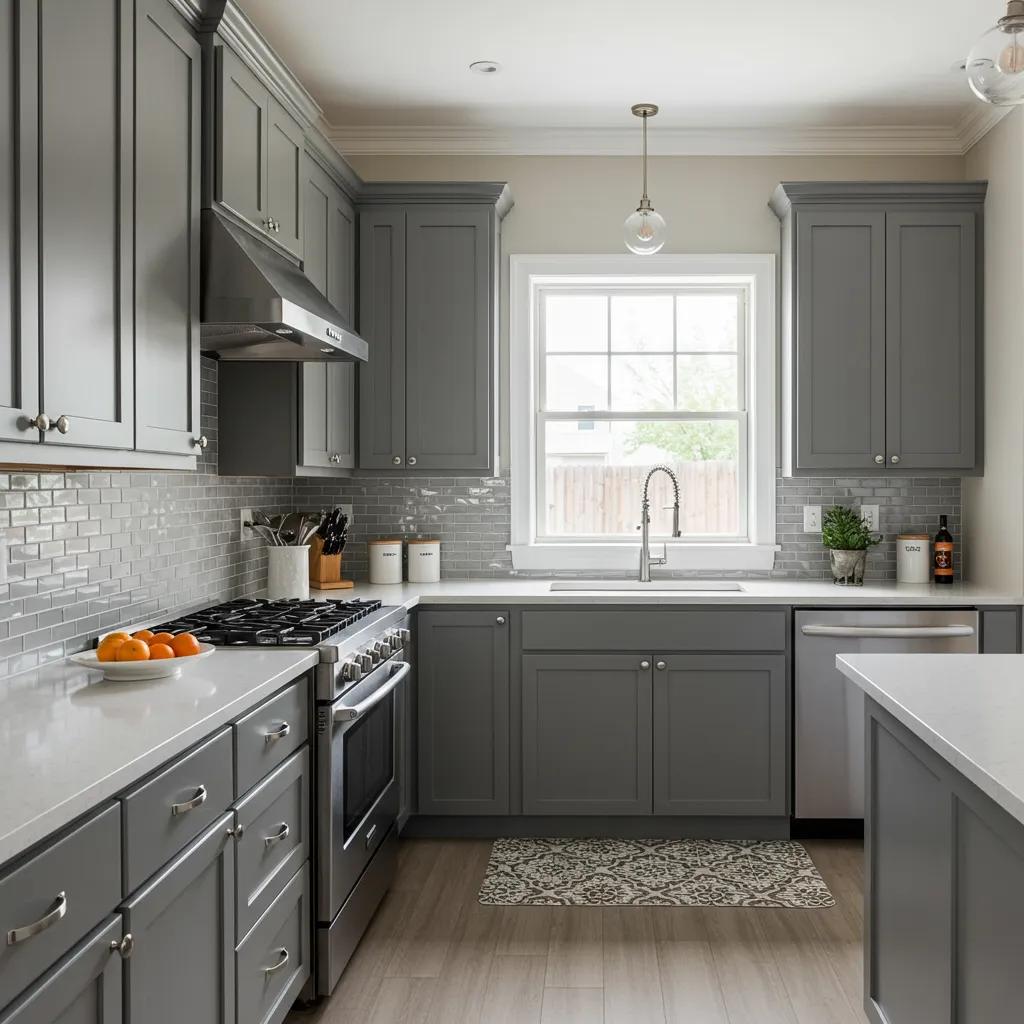
Navigate Local Kitchen Renovation Regulations in Fort Worth
Understanding Local Kitchen Renovation Regulations Fort Worth: Your Complete Guide to Permits and Building Codes

Kitchen remodels in Fort Worth require careful attention to local regulations, permit triggers, and inspection workflows so projects finish on schedule and meet safety standards. This guide explains when permits are required, which building codes apply, how to apply through the Fort Worth Development Services Department, what inspections to expect, risks of unpermitted work, and special considerations for commercial kitchens. Readers will learn practical checklists, required documents, typical timelines, and common inspection pitfalls so they can plan remodels that pass review and protect property value. The article also describes how a contractor can reduce permit-related delays and outlines when to request professional help. Throughout, the text integrates Fort Worth–specific code relationships and procedural examples to help homeowners and business owners make informed, compliant decisions about kitchen renovations.
When Do You Need a Permit for Your Fort Worth Kitchen Remodel?
A permit is required in Fort Worth whenever a kitchen project alters regulated systems or structural elements, because permits ensure public safety and code compliance through plan review and inspections. Typical triggers include moving load-bearing walls, altering plumbing or gas lines, changing electrical circuits or adding significant appliances, and installing new ducting or exhaust systems that affect mechanical ventilation. Understanding these triggers up front reduces delays and avoids fines or required undoing of work later, and it helps homeowners assemble correct documentation before submitting applications. Below is a concise comparison and checklist to help determine which tasks usually require a permit and which are often exempt, followed by recommended next steps a homeowner can take to verify requirements with city reviewers or a licensed contractor.
What Kitchen Renovations Require Permits in Fort Worth?

Kitchen renovations that change structural, electrical, plumbing, gas, or HVAC systems typically require permits because they affect occupant safety and code compliance. Examples include removing or altering load-bearing walls, relocating sewer or water lines, installing or relocating gas connections for stoves or ranges, adding dedicated electrical circuits for dishwashers or ovens, and significantly modifying ventilation or hood systems. These work types usually need detailed plans and, in structural cases, engineered drawings stamped by a qualified professional. Knowing which renovations trigger permits lets homeowners prepare accurate plans and reduces the back-and-forth during plan review.
Are Cosmetic Kitchen Remodels Exempt from Permits?
Cosmetic work—such as replacing countertops, cabinet refacing, painting, decorative flooring, and non-load-bearing surface finishes—is usually exempt from building permits in Fort Worth, but there are important edge cases. Cosmetic projects that attach heavy items requiring structural reinforcements, change appliances in ways that affect electrical or gas loads, or alter plumbing fixtures beyond like-for-like swaps can cross into permit territory. Homeowners should evaluate whether a cosmetic scope remains non-invasive and document any work that may touch regulated systems to avoid unpermitted classifications. When in doubt, a brief contractor assessment or a call to the Development Services Department can prevent costly corrective work.
Intro to comparison table: The table below maps common kitchen tasks to typical permit requirements and homeowner actions to take.
What Are the Key Fort Worth Building Codes for Kitchen Renovations?
Fort Worth enforces a set of adopted model codes with local amendments that govern kitchen remodels to ensure fire safety, structural integrity, and system performance. These include residential and commercial building regulations for structural design, plumbing, mechanical ventilation, and electrical safety; each code defines minimum clearances, fuel-gas rules, and required materials that affect kitchen design choices and appliance installations. Knowing the primary code families and how local amendments modify them helps homeowners and contractors prepare compliant plans, anticipate inspector expectations, and avoid resubmittal cycles during plan review. The following table maps major code families to their roles and adoption context for quick reference.
Intro to EAV table: This table maps applicable codes to their functional role in kitchen remodels and notes how local adoption affects typical renovation work.
Summary: Mapping these codes to project tasks helps owners identify which specialist drawings and code citations to include in permit packets to streamline review.
Which International Codes Does Fort Worth Adopt for Kitchens?
Fort Worth relies on standard model codes—such as IRC for residential construction, IPC for plumbing, IMC for mechanical systems, and NEC for electrical safety—while applying city-specific amendments that affect practical requirements. Each code family addresses distinct systems: IRC covers structural and basic safety; IPC governs drainage, venting, and fixture connections; NEC establishes safe electrical installations including dedicated circuits and GFCI near sinks; and IMC/energy codes define ventilation and makeup air for cooking exhaust. Recognizing which code governs a specific kitchen element guides the level of detail needed in plans and indicates when to include licensed tradespeople in submissions. This identification sets up the next discussion on local amendments that tweak those baseline rules.
How Do Local Amendments Impact Kitchen Remodels?
Local amendments often tighten or clarify model-code requirements for energy performance, inspection thresholds, and specific installation practices, and these tweaks can change which materials are acceptable or which details a plan reviewer will flag. Practical impacts include modified minimum insulation or ventilation criteria, specific fire-rated assemblies at openings, and adjusted fixture requirements in multifamily contexts. Because amendments can alter common assumptions—such as accepted venting methods or required make-up air for high-CFM hoods—contractors and homeowners must check the city’s adopted amendment language during pre-submission. Understanding these amendments reduces unexpected correction cycles and helps specify compliant materials and methods from the outset.
What Safety Standards Must Kitchen Renovations Meet?
Kitchen safety standards focus on ventilation, electrical protection, gas safety, and clearances to minimize fire and health hazards while ensuring usability. Key requirements include proper range hood exhaust and makeup air for high-capacity hoods, GFCI protection for receptacles near sinks, minimum counter and passage clearances for safe egress and appliance access, and secure gas line installations with leak testing. Meeting safety standards also involves selecting materials with appropriate fire ratings and ensuring mechanical systems discharge in code-compliant locations. Compliance with these safety rules improves occupant protection and smooths inspection sign-off, which leads directly into the permit application and documentation needs discussed next.
How Do You Apply for a Fort Worth Kitchen Remodel Permit?
Applying for a kitchen remodel permit in Fort Worth follows a stepwise workflow: pre-application planning and contractor coordination, preparing and submitting drawings and documents, paying fees, responding to plan-review corrections, and scheduling inspections after issuance. A complete submission typically includes labeled plans, scope of work, mechanical/electrical/plumbing schematics, and contractor licensing information when a licensed contractor performs regulated work. Timelines vary with project complexity and review queue, so preparing accurate documents and pre-checking submissions with the city or an experienced contractor shortens review cycles. The numbered steps below provide a clear HowTo pathway to guide homeowners and contractors through the application process.
Prepare scope and preliminary drawings that clearly show structural, electrical, and plumbing changes.
Gather trade diagrams: electrical one-line, plumbing risers, and mechanical/venting layouts as applicable.
Complete application forms and include contractor or owner-builder declarations required by the city.
Submit via the Development Services Department portal, pay fees, and monitor plan-review comments for required corrections.
Respond to corrections promptly, resubmit revised drawings, and await permit issuance before beginning regulated work.
Summary paragraph: Following these steps and submitting complete documentation reduces correction cycles and helps projects enter the inspection stage sooner.
Intro to documents table: The table below lists common documents required for Fort Worth kitchen permit submissions and notes typical processing factors for each.
Summary: Preparing these documents in advance helps create a complete application and accelerates plan review, which connects directly to how contractors can assist with submission and corrections.
What Are the Step-by-Step Permit Application Requirements?
The permit application process begins with a thorough pre-application checklist and ends with permit issuance and scheduled inspections; each intermediate step requires attention to detail to avoid delays. Initially, owners or contractors must verify zoning, confirm scope fits residential or commercial permit categories, and prepare scaled drawings that show existing and proposed conditions. After submission, the plan-review cycle may issue correction comments that require clarified drawings or additional details; timely, organized responses reduce processing time. Contractors often coordinate resubmissions and technical clarifications with reviewers, which improves throughput and sets up a smoother inspection sequence.
Which Documents Are Needed for Kitchen Remodel Permits?
Typical submissions for kitchen remodel permits include dimensioned floor plans highlighting altered areas, structural drawings for load-bearing modifications, electrical one-line diagrams for new circuits and appliances, plumbing schematics for relocated drains or gas lines, and mechanical plans for hood and exhaust systems. Additional items may include engineered calculations, product specifications for appliances or hoods, and contractor licensing information if a tradesperson is performing regulated work. Including a clear scope-of-work narrative and labeled drawings helps plan reviewers quickly understand intent and reduces requests for clarification.
How Can You Use the Fort Worth Development Services Department Portal?
The Development Services Department portal is the gateway for submitting permit applications, paying fees, uploading plan sets, and tracking plan-review status; familiarity with portal naming and file requirements streamlines submissions. To use the portal effectively, register an account, follow naming conventions for uploaded PDFs, attach an organized checklist of documents, and monitor reviewer comments so corrections can be submitted as discrete revised files. Contractors frequently submit on behalf of homeowners and can leverage portal experience to avoid common pitfalls such as incorrect file naming or incomplete attachments. Proactive portal management reduces resubmissions and keeps projects moving toward issuance.
What Are Typical Timelines for Permit Approval?
Typical permit timelines depend on complexity: simple cosmetic or like-for-like plumbing swaps may see faster review times, while structural changes, commercial projects, or installations requiring plan stamps take longer. Plan-review durations can range from several business days to multiple weeks depending on workload and the completeness of submissions; correction cycles add additional time. Strategies to accelerate approval include pre-submission contractor reviews, supplying complete engineering calculations up front, and responding to corrections promptly. Managing expectations about timelines helps align renovation schedules and contractor coordination with permitting realities.
What Inspections Are Required During Fort Worth Kitchen Renovations?

Inspections during a Fort Worth kitchen remodel verify rough-in work and final installations so remodels meet safety and code standards; inspectors typically check electrical, plumbing, mechanical, and structural elements at relevant stages. Commonly required inspections include rough electrical and plumbing checks before walls are closed, gas pressure testing for fuel lines, mechanical verification for hoods and exhausts, and final inspections that confirm appliances, outlets, and fixtures are installed per approved plans. Understanding the sequence and common failure points helps homeowners and contractors prepare the jobsite, ensure necessary trades are present, and avoid re-inspections that cost time. Below is a list of inspections homeowners should expect and prioritize during scheduling.
Electrical rough inspection: Confirms wiring, box placement, and grounding before insulation or drywall.
Plumbing rough inspection: Verifies drain, waste, vent, and water supply routing prior to covering.
Mechanical/gas inspection: Checks venting, hood connections, and gas piping for safe operation.
Final inspection: Ensures all systems operate per approved plans and that safety devices are installed.
Summary: Coordinating inspection timing with trades and having approved plans on site reduces the chance of failed inspections and expedites final sign-off.
Which Types of Inspections Are Conducted?
Inspections occur at stages aligned to work progression: rough-in inspections for concealed systems, intermediate checks for mechanical or gas tests, and final inspections for completed installations and finishes. Electrical inspectors confirm correct circuit sizing, outlet spacing, and GFCI protection; plumbing inspectors verify proper slope, trap placement, and venting; mechanical inspectors ensure hood exhaust and makeup air meet performance and ducting rules. Scheduling each inspection after the relevant scope is complete and accessible speeds the process and avoids failed inspections caused by incomplete work or inaccessible installations.
What Common Issues Arise During Kitchen Remodel Inspections?
Inspectors often flag wiring mistakes like improper conductor sizing, missing GFCI protection near sinks, inadequate circuit segmentation for heavy appliances, incorrect venting and slope in plumbing, or insufficient access panels for mechanical equipment. Documentation errors—such as mismatched plan labels, missing product specifications for hoods, or absent engineered details for structural alterations—also lead to corrections. Contractors who pre-check installations against the approved plans and ensure trades understand inspection criteria typically encounter fewer failures and can avoid costly rework.
How Should Homeowners Prepare for Inspections?
Homeowners should ensure clear access to work areas, have approved permit documents and plan sets available, and coordinate with their contractor so the appropriate tradesperson is present during inspections for any necessary demonstrations or adjustments. Removing obstructions, securing temporary lighting, and providing clear circuit or piping labels expedite inspector verification. Communicating expected inspection windows and confirming that corrective tools or replacement parts are on hand minimizes the chance of failed inspections requiring return visits. Preparing the site and documentation also signals to inspectors that the project is organized, which often results in faster approvals.
What Are the Risks and Consequences of Unpermitted Kitchen Work in Fort Worth?
Undertaking unpermitted work in Fort Worth exposes homeowners to fines, stop-work orders, forced corrective actions, and potential safety hazards because work that bypasses plan review may not meet code or inspection verification. Unpermitted remodeling can also complicate real-estate transactions, prompt insurance claim denials for related damages, and reduce property value if required retroactive permitting or remediation is mandated. Understanding these risks helps owners decide when to secure permits, involve professionals, or pursue retroactive permitting processes to resolve discovered violations. The list below highlights the principal legal and financial consequences to consider before bypassing permits.
Monetary fines and fees: Cities may levy fines and require payment of permit fees plus penalties for unpermitted work.
Stop-work orders: Inspectors can halt progress until proper permits and approvals are obtained.
Remediation orders: Work found noncompliant can require retroactive inspections, corrections, or reconstruction to meet current codes.
Summary: Securing permits proactively protects homeowners from these risks and clarifies expectations for safety and resale, leading to the final topic on how a contractor can assist.
What Fines and Penalties Can Result from Unpermitted Work?
Penalties for unpermitted work often include monetary fines proportionate to the scope of violation, mandatory permit retrofits with associated fees, and administrative actions such as stop-work orders until compliance is achieved. The process for resolving violations usually involves submitting as-built drawings, paying required penalties and permit fees, and undergoing inspections to verify corrections. Promptly addressing discovered unpermitted work by engaging qualified professionals and following the city’s remediation requirements is the fastest path to resolution and reduces the potential for escalated enforcement actions.
How Does Unpermitted Work Affect Property Value and Safety?
Unpermitted work can materially reduce resale value because buyer inspections often reveal noncompliant improvements that require remediation or lower buyer confidence, potentially leading to reduced offers or failed closings. Safety concerns are significant: uninspected electrical or gas alterations increase fire and leak risks, and structural changes without engineered oversight can compromise framing integrity. Addressing unpermitted work through retroactive permitting, proper corrections, and documented inspection sign-offs restores marketability and diminishes liability exposure.
Are There Case Examples of Unpermitted Kitchen Remodels in Fort Worth?
Rather than specific local case details, industry patterns show common unpermitted scenarios such as DIY removal of load-bearing walls, amateur gas-line rerouting, or undocumented electrical upgrades—each typically culminating in mandatory remediation and additional cost. Typical city remediation requires documented engineering for structural fixes, licensed-trade corrections for gas and electrical work, and final inspections to clear the permit. These recurring patterns underline the practical advantage of securing permitted work initially or involving experienced contractors to prevent downstream enforcement and safety issues.
How Does SCS Contracting & Remodeling DFW Assist with Fort Worth Kitchen Permits?
SCS Contracting & Remodeling DFW is a highly-rated remodeling contractor serving Fort Worth, TX, and surrounding DFW areas that specializes in comprehensive home remodeling with a strong focus on kitchen and bathroom renovations. The company positions itself as an information hub and lead generation resource that provides helpful explanations, showcases expertise, and encourages free quote requests to guide homeowners through permit-related decisions. SCS emphasizes custom solutions, honest communication, quality craftsmanship, and a seamless process from design to installation—capabilities that specifically reduce homeowner workload during permit submission and inspection coordination. Their service offering frequently includes pre-submission plan checks, organized documentation uploads, and scheduling inspections to minimize review delays.
What Is the Contractor’s Role in Navigating Permit Regulations?
A contractor’s responsibilities in permit navigation encompass preparing complete documentation, coordinating stamped structural or engineered drawings when needed, submitting applications on the homeowner’s behalf when authorized, and acting as the primary point of contact with city reviewers. Contractors also coordinate trades, sequence inspections, and manage corrections during plan review, which prevents common errors like mismatched drawings or missing trade diagrams. By handling technical details and reviewer communications, contractors reduce homeowner confusion and accelerate permit issuance, which the following subsection illustrates through a micro workflow example.
How Does SCS Simplify the Permit Application and Inspection Process?
SCS simplifies permitting by offering organized plan packages, experience with portal submissions, templates that meet reviewer expectations, and hands-on coordination of re-submissions and inspection scheduling. Their end-to-end approach includes pre-submission checklists, uploading properly labeled plan sets, responding to plan-review comments with clear revisions, and arranging inspections with the required trades present to avoid re-inspection delays. Homeowners who opt to work with SCS benefit from this streamlined workflow and clear communication about next steps; readers interested in a professional assessment are invited to request a free quote to review permit needs and next steps with SCS.
What Do Customers Say About SCS’s Permit Assistance?
Review themes for SCS emphasize responsiveness, trust, and successful permitting outcomes, and the company is described as highly rated with 112+ five-star reviews and an emphasis on building trust through honest communication and quality craftsmanship. These themes suggest that clients value contractor-led permit coordination, clear expectations during plan review, and proactive handling of corrections and inspections. Readers who want to see client feedback or verify service fit are encouraged to request a free quote from SCS to discuss their project and permit strategy.
What Special Regulations Apply to Commercial Kitchen Renovations in Fort Worth?
Commercial kitchen remodels intersect building codes and local health department regulations, requiring coordinated plan reviews for ventilation hoods, grease management, floor drains, and sanitation that exceed typical residential requirements. Commercial projects generally need more rigorous documentation, health department sign-offs, and performance data for mechanical systems to meet both fire and public-health standards. Business owners must plan for hood manufacturer specifications, grease interceptor sizing, sanitary materials, and accessible fixture layouts as part of an integrated submission package. The checklist below highlights primary commercial considerations to prioritize during design and permitting.
Ensure hood and makeup-air designs meet code-required airflow and manufacturer certification.
Size grease interceptors based on expected fixture and flow rates and include proper drainage plans.
Specify sanitary, non-absorbent materials and provide sanitation plans required by local health authorities.
Summary: Engaging mechanical engineers and health consultants early ensures commercial remodels meet the heightened review rigor and avoids costly redesigns or health-department complications.
Which Health and Safety Codes Govern Commercial Kitchens?
Commercial kitchens are regulated by a combination of building codes, the local health department’s food service regulations, and mechanical/ventilation standards that ensure proper exhaust, make-up air, and materials suitable for food preparation. Health codes dictate fixture counts, waste handling, cleaning access, and approved finishes, while building codes address fire separations, exhaust routes, and structural support for heavy equipment. Together, these rules ensure safe food prep environments and require interoperable documentation during plan review.
How Do Commercial Kitchen Permits Differ from Residential?
Commercial permits typically involve more rigorous plan review, additional permitting streams (such as health department approvals), and mandatory performance documentation for mechanical systems like hoods and grease removal. Commercial projects often require professional engineering seals, precise equipment specifications, and coordinated inspections by multiple agencies, which lengthen timelines but ensure public safety and operational code compliance. This heightened scrutiny makes early specialist engagement critical.
What Are the Key Considerations for Commercial Kitchen Remodel Compliance?
Priority considerations for commercial compliance include certified hood and makeup-air calculations, properly sized and accessible grease interceptors, sanitary finish materials, floor slopes and drains that meet health standards, and accessible fixtures for compliance with accessibility rules. Engaging mechanical engineers and health consultants early helps ensure designs meet both building and sanitation expectations and reduces the risk of re-submittals or health-department hold points during permitting.
This article has walked through the permit triggers, adopted codes and amendments, application steps, inspections, risks of unpermitted work, how SCS Contracting & Remodeling DFW assists with permits, and the distinct demands of commercial kitchens to help Fort Worth homeowners and business owners navigate kitchen renovation regulations.
Frequently Asked Questions
What are the consequences of not obtaining a permit for kitchen renovations?
Failing to secure a permit for kitchen renovations in Fort Worth can lead to significant consequences, including monetary fines, stop-work orders, and mandatory remediation of unpermitted work. Homeowners may face penalties that require them to pay for retroactive permits and inspections, which can be costly. Additionally, unpermitted work can complicate real estate transactions, potentially lowering property value and leading to insurance claim denials. Understanding these risks emphasizes the importance of obtaining the necessary permits before starting any renovation project.
How can homeowners ensure compliance with local building codes?
Homeowners can ensure compliance with local building codes by thoroughly researching the specific codes applicable to their kitchen renovations in Fort Worth. This includes understanding the International Residential Code (IRC), International Plumbing Code (IPC), and National Electrical Code (NEC), along with any local amendments. Consulting with licensed contractors who are familiar with these codes can provide valuable insights. Additionally, homeowners should prepare detailed plans and documentation that align with code requirements before submitting their permit applications to avoid delays and complications.
What should homeowners do if they discover unpermitted work?
If homeowners discover unpermitted work, they should take immediate action to rectify the situation. This typically involves contacting a qualified contractor to assess the unpermitted work and determine the necessary steps for compliance. Homeowners may need to submit as-built drawings, pay fines, and apply for retroactive permits. Engaging professionals who understand the local regulations can help streamline the remediation process and ensure that all work meets safety and code standards, ultimately protecting the homeowner's investment and property value.
What types of inspections are typically required during kitchen renovations?
During kitchen renovations in Fort Worth, several types of inspections are typically required to ensure compliance with safety and building codes. Common inspections include electrical rough inspections, plumbing rough inspections, mechanical inspections for gas and ventilation systems, and final inspections to verify that all installations meet approved plans. Homeowners should coordinate with their contractors to schedule these inspections at the appropriate stages of the renovation to avoid delays and ensure a smooth inspection process.
How can contractors assist with the permit application process?
Contractors play a crucial role in assisting homeowners with the permit application process by preparing complete documentation, submitting applications on behalf of the homeowner, and coordinating with city reviewers. They ensure that all necessary plans, diagrams, and contractor licensing information are included in the submission. Additionally, contractors can help navigate any corrections required during the plan review process and schedule inspections, ultimately reducing the homeowner's workload and expediting the overall permitting timeline.
What are the key differences between residential and commercial kitchen renovation permits?
Residential and commercial kitchen renovation permits differ primarily in the complexity and rigor of the review process. Commercial permits often require more extensive documentation, including health department approvals and performance data for mechanical systems. They may also necessitate professional engineering seals and coordinated inspections by multiple agencies. In contrast, residential permits typically involve a more straightforward review process. Understanding these differences is essential for business owners to ensure compliance with all applicable regulations and avoid delays in their renovation projects.
Conclusion
Navigating kitchen renovation regulations in Fort Worth ensures compliance and enhances property value through informed decision-making. Understanding permit requirements, building codes, and inspection processes empowers homeowners and business owners to execute successful remodels. For personalized guidance and to streamline your renovation journey, consider reaching out to a qualified contractor. Explore our services today to ensure your kitchen project meets all necessary regulations and standards.
