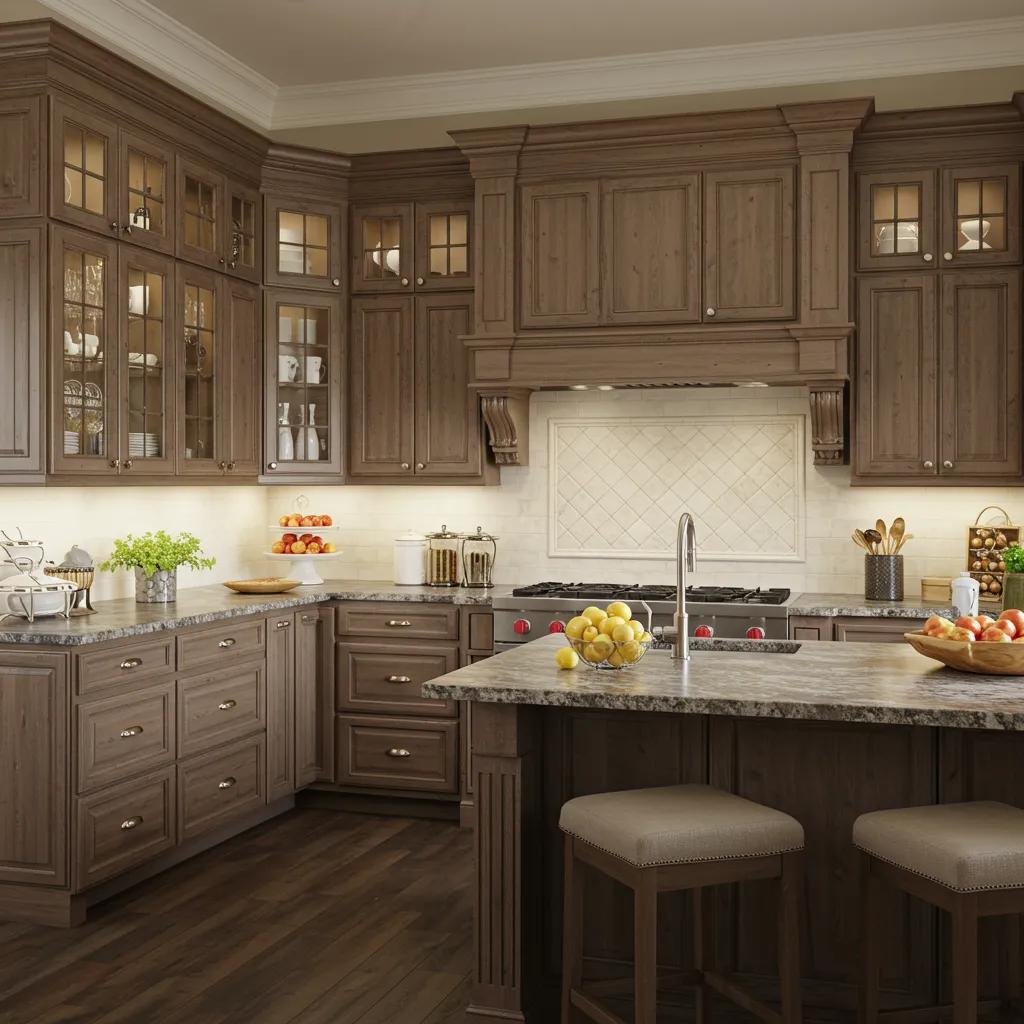
Navigate Custom Cabinetry Building Codes in Fort Worth
Understanding Custom Cabinetry Building Codes in Fort Worth: Essential Regulations and Compliance Guide

Custom cabinetry building codes in Fort Worth define how cabinets are designed, anchored, and integrated with electrical, plumbing, fire protection, and accessibility systems to ensure safety and legal compliance. This guide explains which national model codes Fort Worth adopts and how local amendments, permits, and inspections affect typical residential and commercial cabinet projects so homeowners and contractors avoid costly rework. You will learn when permits are required, which code sections most directly influence cabinetry (structural anchorage, NEC wiring, IPC plumbing, IFC fire rules, and ADA/TAS accessibility), and practical steps to coordinate trades during a remodel. For Fort Worth property owners who prefer local expertise, SCS Contracting & Remodeling DFW is positioned as a resource that provides custom cabinet solutions, design-build coordination, and free quote evaluations to help navigate permit decisions. The article maps the key code sources, permit decision points, material and fire-safety standards, accessibility requirements, electrical and plumbing integration rules, and recent code updates to guide compliant cabinetry projects across the DFW area.
What Are the Key Fort Worth Building Codes Affecting Custom Cabinetry?

Fort Worth enforces a set of adopted model codes that govern aspects of cabinetry from structural support to fire protection and systems integration. These codes include the residential and commercial model codes as well as the electrical, plumbing, and fire codes that specify technical requirements relevant to built-in cabinets and adjacent systems. Understanding which code applies—residential vs. commercial—determines inspection triggers and acceptable materials, and knowing local amendments is essential to avoid surprises at plan review. The table below maps primary code documents to their jurisdictional scope and practical cabinetry relevance to give readers a concise compliance reference before diving into specifics.
Which International and Local Codes Govern Cabinet Installation in Fort Worth?
Fort Worth typically references the IRC for single-family and similar residential work, while the IBC governs commercial installations and projects with higher occupant loads. The NEC and IPC provide discipline-specific rules that intersect cabinetry when electrical or plumbing work is installed inside or adjacent to cabinets, and the IFC determines when fire ratings or suppression considerations become necessary. Local amendments can modify clearances, inspection triggers, or material acceptance, so project documents submitted to Development Services are reviewed under Fort Worth-adopted editions of these model codes. Knowing which code applies early in the design phase reduces back-and-forth during plan review and helps specify compliant materials and trade scopes.
Understanding how local code adoption timing affects your project leads directly into how Fort Worth amendments specifically alter standard model-code language for cabinetry.
How Do Fort Worth Amendments Impact Standard Cabinetry Building Codes?
Fort Worth amendments often clarify enforcement, inspection sequencing, or local thresholds that trigger permit requirements and specialist reviews for cabinetry projects. For example, an amendment might change whether a minor renovation needs a formal plan submission or require additional documentation for fire-rated assemblies in commercial kitchens; these local variations influence contractor responsibilities and inspection timing. Practically, this means architects and remodelers must check the Development Services notes for any discretionary items or updated inspection checklists before finalizing cabinet layouts. When amendments alter materials or clearances, contractors adjust fastening schedules and ventilation details to pass inspection without rework, which is why early coordination with permitting officials is recommended.
Having covered which codes govern cabinetry and how amendments matter, the next section explains when permits are required for residential and commercial cabinet installation.
When Are Permits Required for Residential and Commercial Cabinet Installation in Fort Worth?
Permits are generally tied to the scope of work: purely cosmetic cabinet replacement without structural, electrical, or plumbing changes is most often permit-exempt, while modifications that affect load-bearing walls, add wiring or plumbing, or alter fire-rated assemblies require permits and inspections. This rule of thumb helps homeowners decide when a simple remodel is an owner-managed refresh versus a permit-controlled construction activity that needs licensed trades and official sign-off. For commercial projects, permit thresholds are stricter and typically include health, fire marshal, or accessibility reviews depending on occupancy type, making early permit planning essential. Use the decision checklist below to evaluate whether your cabinet project will likely need a permit and to prepare the appropriate documentation for the city review process.
Deciding when to pursue a permit can be broken down into clear triggers:
Structural changes such as removing or moving load-bearing walls, adding support for heavy built-ins, or modifying anchorage points.
Electrical modifications including new circuits, in-cabinet receptacles, or hardwired lighting that require NEC compliance and inspection.
Plumbing work like installing sinks, dishwashers, or new drain/vent runs that fall under IPC rules and inspections.
Fire-rated assemblies or commercial use where IFC/IBC requirements mandate plan review and material documentation.
These triggers outline typical scenarios that move a cabinetry job from cosmetic to permit-required, and understanding them helps prevent costly stoppages during inspection.
Do I Need a Permit for Kitchen Cabinet Installation in Fort Worth?
For most homeowners, replacing kitchen cabinets on a like-for-like basis—removing old units and installing new ones in the same layout—does not require a building permit, provided there are no changes to structural members, electrical circuits, or plumbing fixtures. However, adding built-in appliances that require new circuits, relocating sinks, or cutting into walls for ventilation or structural supports generally triggers permit requirements and inspections. If your project includes any of these elements, prepare to submit a permit application with plans showing locations of electrical outlets, plumbing routes, and anchorage details. When in doubt, consult Development Services or a licensed remodeler early in the planning stage to confirm whether a permit is necessary and to avoid delays.
What Are the Permit Requirements for Commercial Cabinetry in the DFW Area?

Commercial cabinetry often intersects with additional regulatory bodies—city building departments, the fire marshal, and public health authorities for food-service facilities—so permitting requires coordinated reviews and certificates beyond typical residential permits. Restaurants and food-prep operations must meet health department standards for materials, finishability, and sanitation, and they often require fire-rated cabinets or specific ventilation solutions that comply with the IFC and local amendments. The commercial permit process typically includes plan review for occupant load impacts, mechanical and plumbing schematics, and sometimes third-party testing or documentation for specialty materials. For these reasons, most commercial owners work with design-build contractors who manage multi-agency submissions, coordinate trade inspections, and ensure documentation satisfies all stakeholders.
Given the complexity of commercial reviews and the need for trade coordination, many property owners prefer to engage a contractor experienced in multi-disciplinary permit management.
What Safety and Material Standards Must Custom Cabinets Meet in Fort Worth?
Cabinet safety and material standards address fire performance, structural anchorage, and ventilation near heat-producing appliances to protect occupants and property. Materials must be appropriate for the installation context—moisture-resistant composites near sinks or NSF-acceptable finishes for commercial food service—and anchoring systems must support loads specified by relevant codes to prevent wall failures. Fire safety expectations depend on occupancy and location; cabinets in some commercial settings or multi-family egress areas may require fire-rated assemblies or limiting combustible exposure. The table below compares common cabinet materials and their typical fire or durability attributes to help designers choose code-appropriate options.
Which Fire Safety Standards and Fire-Rated Materials Are Required for Cabinets?
Fire-rated requirements kick in when cabinets are part of assemblies that affect egress, vertical openings, or when local code or occupancy classification mandates fire resistance for walls and fixtures. In many commercial kitchens or mixed-use buildings, cabinets adjacent to corridors, stair enclosures, or protected means of egress may need fire-rated construction or non-combustible materials to maintain separation and reduce flame spread. Acceptable options include treated wood products, mineral-faced panels, or assemblies installed in conjunction with rated walls; documentation and labels may be required at plan review and inspection. When fire-rated materials are used, inspectors often require product cut sheets and installation details that demonstrate compliance with the adopted code or tested assembly.
How Do Ventilation and Structural Integrity Codes Affect Cabinet Design?
Clearance requirements near cooktops, ovens, and other heat sources are governed by appliance manufacturers and code guidelines to prevent heat damage or ignition of combustible cabinetry. Designers must plan minimum clearances, specify non-combustible splash materials, and ensure adequate ventilation paths to control heat and grease accumulation, particularly in commercial kitchens where hood and exhaust systems interact with cabinetry. Structural integrity standards require cabinets to be anchored to studs or blocking that meet load criteria for full-height or heavily loaded units, with fastener schedules and backing details documented in plans when required. Proper integration of ventilation and anchorage avoids retrofit failures, and coordinated detailing between designers and trades reduces the risk of inspection objections.
To help compare integration rules for electrical and plumbing, the next section summarizes those specific code considerations.
How Do Accessibility Guidelines Influence Custom Cabinetry Design in Fort Worth?
Accessibility guidelines from the ADA and Texas Accessibility Standards (TAS) shape cabinet height, reach ranges, clear floor space, and hardware selection for commercial and publicly accessible spaces, and they also influence universal-design choices in residential work. These standards ensure that controls, storage, and operable elements are reachable and usable by people with disabilities, which affects drawer heights, toe-kick clearances, and required knee or toe spaces at sinks. Designers must translate numeric ranges from ADA/TAS into cabinet dimensions and hardware selections—such as lever or D-shaped pulls—to achieve measurable compliance. The list below gives practical dimension guidance and common hardware recommendations to guide accessible cabinet design.
Accessibility design guidelines and recommended measures:
Reach and height ranges: Place operable elements within forward reach limits and lower cabinet heights to accommodate seated users.
Clear floor space: Provide minimum clearances in front of work surfaces and sinks to allow wheelchair approach and maneuvering.
Hardware selection: Use lever or D-shaped pulls and touch-latch options to improve operability for users with limited dexterity.
Applying these measures helps projects meet code obligations and improves usability, and the next subsection details ADA numeric ranges and hardware guidance.
What Are the ADA Requirements for Cabinet Height, Reach, and Hardware?
ADA guidance specifies maximum forward and side reach ranges and recommends clear floor space and operable hardware to ensure accessibility; for cabinets, this typically means placing frequently used storage within accessible reach zones and providing lower base counter heights or adjustable shelves in public or multi-family settings. Hardware should be operable with one hand without tight grasping, pinching, or twisting of the wrist, making lever pulls and D-shaped handles preferred choices for compliance. Clear knee space at sinks and uninterrupted forward approaches must be dimensioned in plans to pass accessibility review, and these dimensions are often required on commercial permit sets. Translating ADA numeric requirements into cabinet layouts during design reduces revisions during accessibility review and inspection.
The following citation highlights the importance of adhering to these accessibility standards.
Compliance with ADA and Texas Accessibility Standards (TAS)
The County must adhere to the provisions of ADA and TAS.
EXTERIOR REPAIRS & RESTORATION
How Do Texas Accessibility Standards Affect Commercial Cabinetry?
Texas Accessibility Standards (TAS) augment ADA by clarifying state-specific interpretations and occasionally adding technical requirements for public and commercial facilities in Texas, affecting where cabinets and service counters must meet accessible dimensions. TAS may specify measurable clearances, signage requirements, or enforcement procedures that differ in application from federal guidance, so commercial designers should cross-check both ADA and TAS when preparing plans for Fort Worth projects. In practice, this means documenting accessible elements on plan sheets and providing explicit dimensions for reviewers to confirm compliance. Working with accessibility consultants or experienced design-build teams streamlines meeting TAS expectations and avoids disapproved permits.
What Are the Code Considerations for Electrical and Plumbing Integration in Custom Cabinets?
Electrical and plumbing integration in cabinetry must comply with the NEC and IPC to prevent shock, fire, water damage, and to ensure serviceability; these rules define where wiring, outlets, and fixtures may be located, protective measures, and access requirements for maintenance. The NEC restricts certain types of conductors in combustible enclosures, requires GFCI protection where specified, and sets enclosure rules for in-cabinet installations, while the IPC mandates trap access, venting, and minimum clearances for sinks and dishwashers housed in cabinetry. Proper coordination among cabinetmakers, electricians, and plumbers during design avoids conflicts and inspection failures, and the table below summarizes core code callouts for common in-cabinet electrical and plumbing scenarios.
With these integration rules in mind, the next subsection clarifies when electrical outlets and wiring are allowed inside cabinets.
When Are Electrical Outlets and Wiring Allowed Inside Cabinets?
The NEC permits wiring and outlets inside cabinets when installed in listed enclosures or in accordance with permitted wiring methods and with appropriate protection such as conduit, cable connectors, and GFCI where proximity to water requires it. Examples include powered appliance cabinets with listed receptacle boxes or under-cabinet lighting where conductors run in protected raceways; however, loose splices or exposed junctions inside combustible cabinet cavities are typically not permitted. Safety best practices include using listed appliance receptacles, locating junction boxes outside of enclosed combustible spaces when possible, and documenting wiring methods on plans to expedite inspection. Hiring a licensed electrician familiar with NEC and local amendments ensures correct installation and reduces the chance of failed electrical inspections.
What Plumbing Codes Apply to Cabinets with Sinks and Dishwashers?
The IPC governs plumbing fixtures located within cabinetry and requires trap accessibility, adequate venting, and routing that allows for service without major cabinet removal. Designers must provide access panels for cleanouts and traps, maintain minimum clearances around water supply valves, and ensure that appliance connections meet backflow and manufacturer requirements where applicable. Cabinets that conceal plumbing should be designed to permit inspection and maintenance, and plan sets for permit review should show trap locations, venting, and service access. When plumbing work is involved, a licensed plumber should prepare or review the routing and access details so inspections pass and long-term maintenance is straightforward.
How Do Recent Fort Worth Building Code Updates Affect Custom Cabinetry Projects?
Recent code cycles adopted by many jurisdictions—including Fort Worth’s adoption of updated ICC model codes and the 2023 NEC—introduce changes that can affect cabinet installations, particularly for electrical safety, material performance, and inspection protocols. Updates to the NEC often include new grounding, arc-fault, or receptacle-location rules that change how appliance power is routed, while the ICC code cycles can adjust structural or fire-protection requirements that impact cabinet backing and materials. Projects initiated without current code reviews risk outdated specifications and inspection delays, so integrating a code compliance check during pre-construction reduces risk. The brief checklist below helps teams confirm that plans reflect the latest applicable code editions before submitting for permits.
Checklist for aligning projects with recent code updates:
Verify the specific code editions adopted by Fort Worth for building, mechanical, plumbing, and electrical work.
Review electrical layouts against the 2023 NEC changes that may affect dedicated circuits or protective device requirements.
Update material specifications and assembly details if fire-safety or structural amendments have been adopted locally.
Keeping plans current with adopted editions mitigates rework and inspection comments, and the next subsection shows concrete examples of how the 2021 ICC and 2023 NEC have influenced cabinetry practice.
What Are the Impacts of the 2021 ICC and 2023 NEC on Cabinet Installation?
The 2021 ICC cycle included clarifications and provisions that affect assembly documentation, fire separation details, and anchorage verification, which can require more explicit backing and fastener schedules for heavy cabinets. The 2023 NEC introduced updates around outlet placement, arc-fault protection, and provisions for energy management systems that may change where receptacles can be located and how appliance circuits are configured. Practically, this means that cabinets housing appliances or integrated lighting may need revised electrical plans, and structural attachment details should reference the latest anchorage requirements. Updating contract documents and shop drawings to reflect these code cycles helps contractors avoid noncompliance during inspections.
Why Is Staying Current with Fort Worth Code Amendments Critical for Compliance?
Failing to track local code amendments creates legal and cost risks—projects can face permit denials, costly rework, schedule delays, and potential liability for unsafe installations—while staying informed ensures designs meet inspectors’ expectations and protects occupants. Best practices include checking the City of Fort Worth Development Services bulletins, subscribing to code update services, and working with contractors who monitor code cycles and amendments as part of their project management process. Engaging licensed design-build teams reduces the burden on owners because these teams typically include permit coordination in their scope and keep shop drawings aligned with the latest code language. Regular code reviews during preconstruction and permit submission are a practical way to reduce surprises and keep projects moving.
SCS Contracting & Remodeling DFW provides design-build coordination and permit support to help property owners manage these code-review steps and obtain accurate quotes based on current local requirements.
Frequently Asked Questions
What are the consequences of not adhering to cabinetry building codes in Fort Worth?
Failing to comply with cabinetry building codes in Fort Worth can lead to significant consequences, including permit denials, costly rework, and potential legal liabilities. Non-compliance may result in unsafe installations that could endanger occupants, leading to fines or mandated removal of non-compliant structures. Additionally, projects may face delays during inspections, which can disrupt timelines and increase overall costs. It is crucial for homeowners and contractors to stay informed about local codes to avoid these pitfalls and ensure a smooth construction process.
How can I find out about the latest building code updates in Fort Worth?
To stay updated on the latest building code changes in Fort Worth, property owners and contractors should regularly check the City of Fort Worth Development Services website, which provides bulletins and announcements regarding code amendments. Subscribing to local construction newsletters or joining professional organizations can also be beneficial. Engaging with licensed contractors who monitor code updates as part of their services can further ensure that your projects comply with the most current regulations, minimizing the risk of non-compliance.
What should I do if my cabinetry project requires multiple trades?
If your cabinetry project involves multiple trades, such as electrical, plumbing, and carpentry, it is essential to coordinate effectively among all parties. Start by developing a detailed project plan that outlines each trade's responsibilities and timelines. Regular communication and meetings can help address any potential conflicts early on. Hiring a design-build contractor can streamline this process, as they typically manage all trades and ensure compliance with building codes, making the project more efficient and reducing the risk of inspection failures.
Are there specific materials recommended for fire-rated cabinetry?
Yes, specific materials are recommended for fire-rated cabinetry, especially in commercial settings or areas requiring fire resistance. Fire-treated wood, gypsum-faced panels, and non-combustible materials are commonly used to meet fire safety standards. These materials help prevent flame spread and maintain structural integrity during a fire. When selecting materials, it is crucial to consult local building codes and ensure that the chosen products are tested and certified for fire safety to comply with regulations and protect occupants.
What role do accessibility standards play in cabinetry design?
Accessibility standards, such as the ADA and Texas Accessibility Standards (TAS), play a vital role in cabinetry design, particularly for public and commercial spaces. These standards dictate cabinet height, reach ranges, and hardware selection to ensure usability for individuals with disabilities. Designers must incorporate features like lower cabinet heights, clear floor space for wheelchair access, and operable hardware that can be used with one hand. Adhering to these guidelines not only meets legal requirements but also enhances the overall functionality and inclusivity of the space.
How can I ensure my cabinetry project is compliant with plumbing codes?
To ensure compliance with plumbing codes for cabinetry projects, it is essential to work with a licensed plumber who understands the International Plumbing Code (IPC). This includes providing access panels for traps, maintaining proper venting, and ensuring that all plumbing fixtures are installed according to code requirements. Additionally, your project plans should clearly outline plumbing routes and access points to facilitate inspections. Regular communication with your plumbing contractor throughout the design and installation phases will help avoid compliance issues and ensure a successful project.
What are the benefits of hiring a design-build contractor for cabinetry projects?
Hiring a design-build contractor for cabinetry projects offers several benefits, including streamlined communication, cohesive project management, and enhanced compliance with building codes. Design-build contractors handle both the design and construction phases, ensuring that all aspects of the project align with local regulations and client expectations. This integrated approach reduces the risk of miscommunication between trades, minimizes delays, and often results in cost savings. Additionally, their expertise in navigating permits and inspections can help ensure a smoother process from start to finish.
Conclusion
Understanding the custom cabinetry building codes in Fort Worth is essential for ensuring safety and compliance in your projects. By familiarizing yourself with the relevant regulations, you can avoid costly mistakes and streamline the permitting process. For expert guidance and tailored solutions, consider reaching out to SCS Contracting & Remodeling DFW. Start your journey towards compliant and beautifully crafted cabinetry today.
