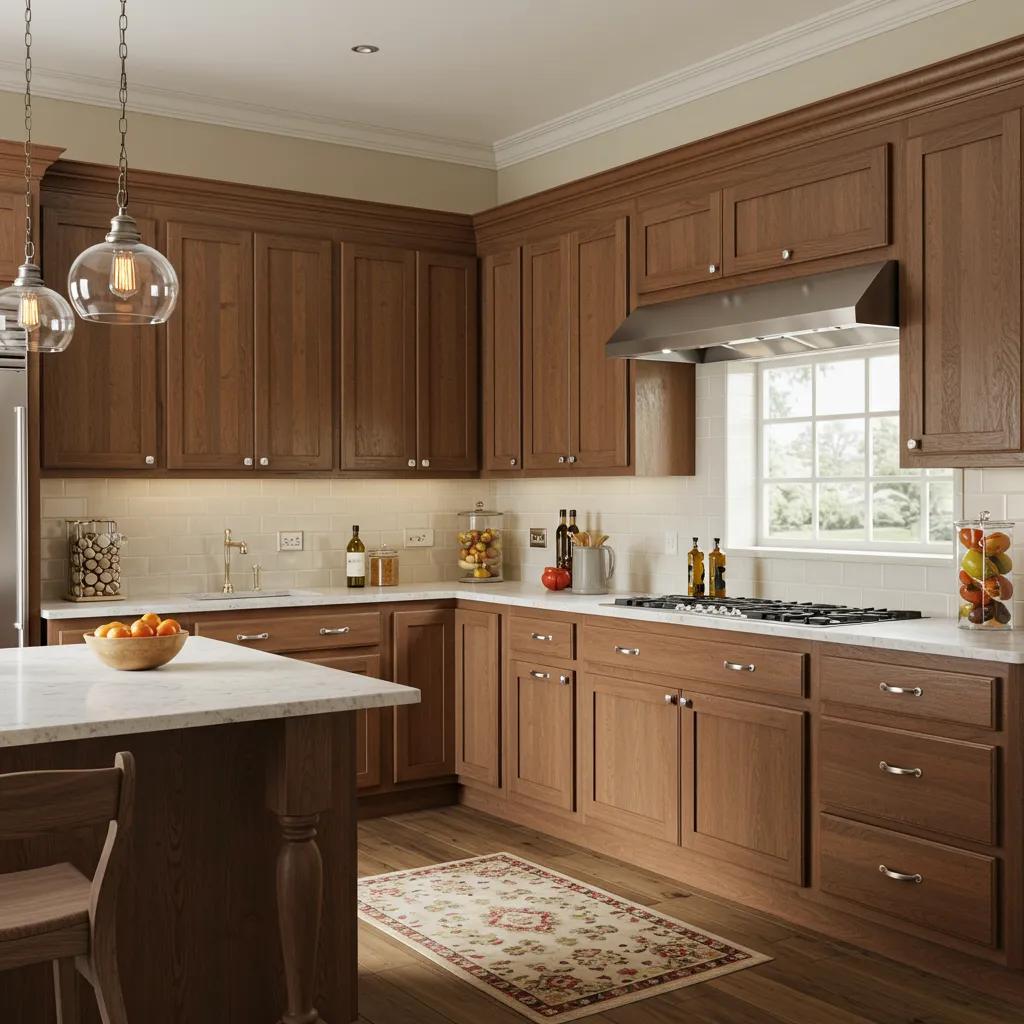
How Custom Kitchen Cabinets Shine Over Pre-Fab in Fort Worth
Custom Kitchen Cabinets vs. Pre-Fabricated: A Quality Comparison Guide for Fort Worth Homeowners

Homeowners in Fort Worth deciding between custom kitchen cabinets and pre-fabricated options face a practical trade-off between tailored performance and off-the-shelf convenience. This guide explains what custom and pre-fabricated cabinets are, compares their materials, construction, finishes, lifecycle costs, and resale implications, and offers a decision framework tailored to Fort Worth household needs. Many Fort Worth kitchens have non-standard layouts, humidity and heat exposure considerations, and resale expectations that make the choice of cabinetry more impactful than a simple style decision. By defining core quality metrics—material type, joinery, hardware, finish durability, and installation precision—we'll help you evaluate durability, maintenance, and long-term value. You’ll find side-by-side comparisons, tables that break down attributes like expected lifespan and typical cost drivers, and practical checklists for making the right selection for your home. After exploring technical differences and cost implications, we'll describe how a local provider can provide accurate estimates and installations for Fort Worth kitchens.
What Are Custom Kitchen Cabinets and Why Do They Matter in Fort Worth?
Custom kitchen cabinets are built to order for a specific kitchen layout, using homeowner-selected materials, joinery, and finishes to optimize fit, durability, and a cohesive look. These units are crafted from higher-grade materials—often solid wood or furniture-grade plywood—and use durable joinery and hardware that increase lifespan and allow future refinishing. For Fort Worth homes, where irregular spaces, historic trim, or high-heat seasons are common, a precise fit and moisture-resistant construction translate directly into fewer gaps, better performance, and a more attractive long-term appearance. Understanding construction choices and local climatic impacts clarifies why you might prioritize customization for functional gains like tailored storage and integrated appliance solutions. Next, we'll explain the craftsmanship and functional design choices that distinguish custom work from stock solutions.
What Makes Custom Cabinets Unique in Design and Craftsmanship?
Custom cabinets are distinguished by joinery, material grading, and finish applications that prioritize strength and reparability over low cost. Typical hallmark methods include dovetail joints in drawers, mortise-and-tenon or dado joints in frames, and plywood box construction that resists moisture and warping, all of which create cabinets that withstand heavy use. High-quality hardware—soft-close hinges and full-extension drawer slides—pairs with these construction methods to provide reliable operation and easier maintenance, and finishing is often multi-stage to seal wood against humidity. These craftsmanship details also support refinishing or repairs, so cabinets can be refreshed rather than replaced. Understanding these construction hallmarks helps you inspect proposals and compare long-term value.
How Do Custom Cabinets Enhance Kitchen Functionality and Style?
Custom cabinetry delivers targeted storage solutions and ergonomic planning that directly improve everyday kitchen workflow and maximize storage. Designers can incorporate pull-out pantries, appliance garages, built-in charging stations, and bespoke drawer layouts that fit owner-specific cookware and usage patterns, increasing usable storage and reducing clutter. A custom approach also aligns door styles, hardware, and finishes to the home’s architectural style—whether traditional Fort Worth bungalows or contemporary DFW builds—providing a lasting, cohesive look. Because these pieces fit exact wall dimensions and trim, installation precision reduces gaps and the need for filler trim, producing a polished result that sustains resale appeal. Next, we'll explain pre-fabricated alternatives and when they make sense.
What Are Pre-Fabricated Kitchen Cabinets and Their Pros and Cons for Fort Worth Homes?

Pre-fabricated cabinets—also called stock or semi-custom—are mass-produced in standard sizes and finishes and assembled from lower-cost engineered materials to lower upfront cost and speed installation. Manufacturers commonly use particle board, medium-density fiberboard (MDF), or lower-grade plywood for boxes, with thermofoil or laminate veneer finishes and mechanical fasteners such as cam-locks and staples. These choices deliver affordability and rapid lead times but limit sizing flexibility, long-term reparability, and often their resistance to moisture or heavy wear. For Fort Worth homeowners on tight timelines or fixed budgets, pre-fab options can provide a functional, cosmetically attractive kitchen; however, you'll want to weigh durability trade-offs and replacement risk in humid peak months. Next, we'll detail materials and practical pros and cons.
What Materials and Construction Methods Are Used in Pre-Fabricated Cabinets?
Pre-fabricated cabinets typically use engineered cores—particle board or MDF—with factory-applied laminates, thermofoil, or melamine surfaces that reduce cost and simplify finish choices. Fast-production methods rely on mechanical joinery like cam-locks, staples, and dowels rather than dovetail or mortise joints, and drawer boxes are often stapled or doweled rather than dovetailed. Hardware is often standardized and functional but may use lower-grade slides and hinges that show wear sooner and are harder to repair at the component level. These material and method choices make pre-fab cabinets more susceptible to moisture-related swelling and limit refinishing options, which affects long-term durability in climates with seasonal humidity swings. Understanding these limitations helps you plan maintenance or replacement timelines.
What Are the Benefits and Limitations of Pre-Fabricated Cabinets?
Affordability and speed:Faster production and standard sizing reduce lead times and upfront cost.
Wide finish options:Many stock finishes and door styles are available without custom pricing.
Limitations:Restricted sizing, lower material quality, reduced repairability, and shorter usable lifespan in heavy-use kitchens.
These practical trade-offs mean pre-fab is best when budget, rapid turnaround, or temporary installation are priorities; for long-term homes or irregular layouts, custom solutions often deliver better lifecycle value. Our next comparison section examines quality and durability head-to-head.
How Do Custom and Pre-Fabricated Cabinets Compare in Quality and Durability?

Custom and pre-fabricated cabinets differ significantly across materials, joinery, finish longevity, and installation precision, which together determine expected lifespan and maintenance needs. Custom cabinets typically use solid wood or high-grade plywood boxes, dovetail joinery, and multi-stage finishing systems that resist moisture and support repairs, while pre-fab systems favor engineered cores and mechanical fasteners that lower initial cost but shorten functional life. These material and technique differences mean that custom cabinets often outperform pre-fab units in heavy-use kitchens and in climates with humidity swings common in Fort Worth. The following table summarizes core attributes to help you compare options.
Different cabinet types vary by material, construction, expected lifecycle, and common warranty expectations.
How Do Materials Differ Between Custom and Pre-Fabricated Cabinets?
Materials determine strength, moisture resistance, and refinishing potential—key performance factors for Fort Worth kitchens. Solid wood and furniture-grade plywood provide superior strength, nail and screw retention, and the option to sand and refinish doors and frames, while MDF and particle board are prone to swelling and delamination if exposed to sustained humidity or leaks. Engineered options with quality veneers can be a middle ground, and sustainable options such as certified plywood or bamboo are increasingly used in custom builds to combine performance with environmental goals. Choosing the right core and face material directly impacts maintenance needs and replacement timelines, which is crucial for long-term value planning.
What Construction Techniques Affect Cabinet Longevity?
Joinery and reinforcement methods show how well cabinets endure weight, repeated use, and movement over time. Dovetail joints in drawers distribute load evenly and resist separation, dado or rabbeted shelf supports stabilize box structure, and edge-banded plywood box construction resists twisting and moisture. In contrast, stapled assemblies and cam-lock fasteners common in pre-fab units simplify assembly but offer lower strength and more frequent loosening under load. Hardware quality—full-extension metal slides, soft-close mechanisms, and robust hinges—also influences longevity; premium hardware reduces wear on cabinetry and increases the functional lifespan. Inspecting these construction details is a practical way you can anticipate durability.
How Do Finish and Aesthetic Options Impact Cabinet Appearance?
Finishes affect both lasting appearance and resistance to everyday damage such as scratches, heat, and moisture. Custom cabinets often use multi-coat painted or stained finishes cured to a high build that can be spot-repaired or fully refinished, while thermofoil and laminate finishes on pre-fab units are harder to repair and may peel or discolor over time. Painted solid-wood or veneered surfaces allow color matching and touch-ups that maintain a refreshed look years after installation. Color and finish choices also impact resale appeal in Fort Worth neighborhoods, where buyers often favor timeless palettes and durable surfaces. The following section examines how customization and fit influence function and install quality.
How Does Customization Affect Functionality and Installation Precision?
Customization allows designers and fabricators to measure and modify cabinets to exact wall conditions, which reduces gaps, eliminates awkward filler pieces, and integrates appliances and trim seamlessly. Exact-fit solutions accommodate irregular walls, soffits, and floor variations that are common in older Fort Worth homes, and on-site adjustments by a local fabricator can correct unforeseen conditions during installation. These precision advantages lower the risk of post-install problems like door misalignment, uneven reveals, and chronic hardware adjustments, which would otherwise reduce both daily usability and perceived quality. Precise installation is the final factor in how materials and construction translate into real-world performance.
What Are the Cost Differences and Long-Term Value of Custom vs. Pre-Fabricated Cabinets in Fort Worth?
Upfront cost is only one component of cabinet value; lifecycle costs, maintenance requirements, and resale impact collectively determine long-term ROI for Fort Worth homeowners. Custom cabinets carry a higher initial investment due to material selection, custom fabrication, and skilled labor, but that investment is often offset by extended service life, fewer replacements, and higher perceived resale value. Pre-fabricated systems minimize initial cost and speed installation but can lead to replacement or repair costs sooner, especially in kitchens with heavy use or moisture exposure. Understanding these cost factors helps you choose the path that aligns with your budget, ownership horizon, and resale plans.
Before the detailed cost table, consider the main cost drivers that affect both cabinet types.
What Is the Typical Initial Investment for Each Cabinet Type?
Initial investment varies with material choice, design complexity, hardware quality, and installation scope; custom cabinets come with higher per-linear-foot costs because of custom fabrication and premium materials. Design complexity—such as integrated appliance panels, pull-out systems, or specialty finishes—raises the price for both custom and semi-custom options, while simple stock replacements remain the most budget-friendly path. Labor and on-site adjustments also factor into total project cost, especially where walls and floors require modification. Because local site conditions strongly influence estimates, many Fort Worth homeowners opt for a consultation to get an an accurate scope and cost estimate.
How Do Custom Cabinets Provide Better ROI and Resale Value?
Custom cabinets often create stronger resale impressions because they communicate quality, fit, and permanence—attributes that buyers notice during showings. Durable materials and repairable finishes reduce long-term replacement costs, and thoughtful storage and workflow improvements make kitchens more functional, which can influence buyer preferences in the Fort Worth market. Recent local market trends indicate buyers value well-executed kitchen finishes as a differentiator, so investing in custom cabinetry can translate into higher offers or faster sales. For precise ROI guidance, you'll want to consult a local remodeling advisor who can align material choices with neighborhood expectations.
How Can Fort Worth Homeowners Decide Between Custom and Pre-Fabricated Cabinets?
Choosing between custom and pre-fabricated cabinetry means evaluating your budget, timeline, design goals, and how long you plan to stay in your home. A clear decision framework helps align your choice to specific project goals so that you get the best value for your priorities. The checklist below organizes the primary criteria Fort Worth homeowners should weigh before committing.
Key factors to weigh when choosing cabinets:
Budget vs. Longevity:If you plan to stay long-term, prioritize durable materials that lower lifecycle cost.
Timeline Requirements:If you need a fast turnaround, pre-fab options reduce lead times.
Space Complexity:Irregular layouts and architectural details favor custom solutions.
Applying these criteria to your project will narrow options quickly and prepare you to request accurate proposals from providers who can match scope and expectations.
What Factors Should Influence Your Cabinet Choice?
You'll want to balance immediate budget against functional needs and resale strategy when selecting cabinets. For rental or short-term projects, stock cabinets can be a cost-effective choice that meets basic needs without a major upfront cost. For homes with unique layouts, heavy daily use, or a desire for long-term appreciation, custom cabinetry typically delivers superior fit, higher-quality materials, and features that buyers value. Consider also maintenance tolerance—if you prefer a package that requires minimal upkeep, invest in premium finishes and hardware. Clear priorities simplify comparisons and make contractor proposals more comparable.
What Expert Advice Does SCS Contracting & Remodeling DFW Offer?
SCS Contracting & Remodeling DFW is your local resource for Fort Worth homeowners navigating cabinetry choices, offering design guidance that aligns materials, finishes, and storage solutions with client budgets and resale goals. Our advisory approach emphasizes craftsmanship and custom solutions tailored to site conditions, and we encourage you to request detailed estimates and project assessments to compare options. For readers ready to move from planning to precise proposals, scheduling a free consultation with a qualified local contractor can clarify costs and timelines. This professional input helps translate your decision checklist into a realistic project plan.
Why Choose SCS Contracting & Remodeling DFW for Custom Kitchen Cabinets in Fort Worth?
Our company emphasizes expert craftsmanship, tailored custom solutions, and local reputation—attributes you'll want to seek when choosing a partner for custom cabinetry. Below is a concise overview of service attributes that homeowners often evaluate when selecting a local remodeling firm.
The table below outlines typical service components, what’s included, and homeowner benefits to help compare service offerings.
How Does SCS Ensure Superior Craftsmanship and Quality?
SCS focuses on selecting durable materials and reliable joinery techniques that align with Fort Worth climate considerations and your home's use patterns, recommending plywood cores, quality hinges and slides, and finishes suitable for frequent cleaning and heat exposure. Our approach frames these specifications as quality control points that reduce long-term maintenance and help safeguard resale value. Local project oversight is highlighted to ensure on-site adjustments and fit checks during installation, which is crucial when walls or floors deviate from plan. You'll benefit from transparent discussions about material trade-offs and repairability when assessing proposals.
What Is the Custom Cabinet Design and Installation Process with SCS?
Your journey with a local remodeling contractor begins with an initial consultation to discuss your layout, needs, and budget, followed by design reviews and material selections that finalize your project plan. Fabrication happens either in a local shop or approved partner facility using your selected joinery and finish specifications. Then, our installation teams coordinate on-site measurements and adjust for field conditions to achieve tight fits. Ongoing communication and final walkthroughs complete the project, ensuring your new cabinetry reflects the agreed design and function. This process overview helps you know what to expect at each stage.
How Can You Request a Free Quote for Your Fort Worth Kitchen Remodel?
To request a free quote from a local remodeling provider, prepare basic project details—approximate kitchen dimensions, desired style and finish, any appliance integration needs, and preferred timeline—and ask for a site visit or virtual assessment. Contractors typically use this information to provide a detailed estimate and recommend material and hardware options aligned with your budget and resale goals. We encourage you to request a free quote and consultation to get tailored guidance and a formal proposal. A well-documented quote provides a clear foundation for comparing options and making an informed investment decision.
What Are the Most Common Questions About Custom vs. Pre-Fabricated Kitchen Cabinets?
Homeowners frequently ask whether custom cabinets are worth the investment, how long different types last, which materials best suit Fort Worth’s climate, and whether pre-fab units can serve commercial needs. Addressing these common questions directly helps you make quick comparisons and prioritize follow-up research or consultations. The next subsections answer these top queries with concise, practical guidance that supports on-the-ground decisions.
Are Custom Cabinets Worth the Investment for Fort Worth Homeowners?
Custom cabinets are often worth the investment for homeowners planning to stay in a property for many years, those with irregular or historic layouts, or buyers seeking higher resale appeal, because custom work provides better durability, tailored storage, and easier refinishing. The combination of stronger materials, superior joinery, and refined finishes reduces lifecycle replacement costs and supports higher perceived value at resale. For households with limited budgets or short ownership horizons, semi-custom or quality pre-fab alternatives may be a more cost-effective choice. Weighing your intended ownership duration and desired features clarifies the value.
How Long Do Custom Cabinets Last Compared to Pre-Fabricated Options?
Lifespan estimates depend on material and use: well-made custom cabinets built with solid wood or quality plywood commonly last 20–30 years or more with periodic maintenance, while pre-fabricated cabinets using MDF or particle board typically show wear in 7–15 years under normal use. Maintenance factors—such as prompt water damage repair, hardware replacement, and refinishing—extend useful life significantly. Recognizing these lifespan differences helps you budget for mid- and long-term home improvements and choose options aligned with your planned timelines.
What Materials Are Best for Kitchen Cabinets in Fort Worth?
Materials suited to Fort Worth kitchens prioritize moisture resistance, dimensional stability, and refinishing potential, making high-grade plywood and solid hardwoods strong choices for boxes and doors, respectively, with engineered veneers as budget-conscious alternatives. MDF can be suitable for painted door faces when properly sealed, but particle board is generally less durable in humid or high-heat conditions. Sustainable options like certified plywood or bamboo offer performance while addressing environmental preferences. Selecting appropriate material balances budget, expected wear, and local climate realities.
Can Pre-Fabricated Cabinets Meet Commercial Property Needs?
Pre-fabricated cabinets can serve short-term or low-traffic commercial fit-outs where budget and speed are primary drivers, but for high-traffic or long-term commercial installations, custom or commercial-grade cabinetry with reinforced construction and industrial hardware is preferable. Commercial settings demand stronger load-bearing components, easier serviceability, and finishes that withstand frequent cleaning, all areas where custom fabrication or commercial-grade stock units outperform standard residential pre-fab offerings. Assessing expected traffic, cleaning needs, and lifespan expectations determines whether pre-fab is an acceptable commercial solution.
Frequently Asked Questions
What are the maintenance requirements for custom kitchen cabinets?
Custom kitchen cabinets typically require less maintenance over time due to their durable materials and construction methods. Regular cleaning with mild soap and water is usually sufficient to maintain their appearance. Additionally, refinishing can be done every few years to restore their look, especially if they are made from solid wood. It's important to address any water damage promptly and check hardware for wear. This proactive approach can significantly extend the lifespan of custom cabinets, making them a worthwhile investment for you.
How do I choose the right style for my custom cabinets?
Choosing the right style for custom cabinets involves considering your home's overall aesthetic, personal preferences, and functional needs. Start by assessing the architectural style of your home—whether it's traditional, modern, or rustic—as this will guide your design choices. Look at various door styles, finishes, and hardware options that complement your kitchen's decor. Additionally, consider how the cabinet design can enhance functionality, such as incorporating pull-out shelves or specialized storage solutions. Consulting with a design professional can also offer valuable insights tailored to your space.
What is the typical lead time for custom cabinet orders?
The lead time for custom cabinet orders can vary significantly based on the complexity of the design, materials chosen, and the manufacturer's workload. Generally, you can expect a lead time of 6 to 12 weeks from the time of order to installation. This timeframe includes design consultations, fabrication, and any necessary adjustments during installation. It's advisable to plan ahead, especially if you have a specific timeline for your kitchen remodel, to ensure that your custom cabinets are ready when you need them.
Are there eco-friendly options for custom kitchen cabinets?
Yes, there are several eco-friendly options available for custom kitchen cabinets. Many manufacturers offer cabinets made from sustainable materials, such as certified plywood, bamboo, or reclaimed wood. Additionally, low-VOC (volatile organic compounds) finishes and adhesives can minimize harmful emissions, contributing to a healthier indoor environment. When selecting eco-friendly options, it's important to inquire about the sourcing of materials and the manufacturing processes used. Working with a contractor who specializes in sustainable practices can help you find the best options for your kitchen remodel.
How can I ensure a good fit for my custom cabinets?
To ensure a good fit for your custom cabinets, accurate measurements are crucial. Start by having a professional measure your kitchen space, taking into account any irregularities in walls or floors. During the design phase, communicate your specific needs and preferences to the designer, including any appliances or fixtures that need to be integrated. Additionally, a reputable contractor will conduct on-site adjustments during installation to accommodate any unforeseen conditions, ensuring that your cabinets fit perfectly and function as intended.
What are the most common mistakes to avoid when selecting kitchen cabinets?
When selecting kitchen cabinets, homeowners should avoid several common mistakes. One common mistake is not considering the long-term impact of material choices; opting for lower-quality materials may save money upfront but can lead to higher replacement costs later. Another mistake is neglecting to plan for functionality; cabinets should not only look good but also meet your storage needs. Lastly, not communicating clearly with your contractor about your vision can result in a final product that doesn't align with your expectations. Taking the time to research and plan can help avoid these issues.
Conclusion
Choosing between custom and pre-fabricated kitchen cabinets is a significant decision for Fort Worth homeowners, balancing quality, longevity, and budget. Understanding the unique benefits of each can empower you to make informed choices that align with your needs and preferences. For personalized guidance, consider reaching out to a local expert to explore the best cabinetry options for your home.
