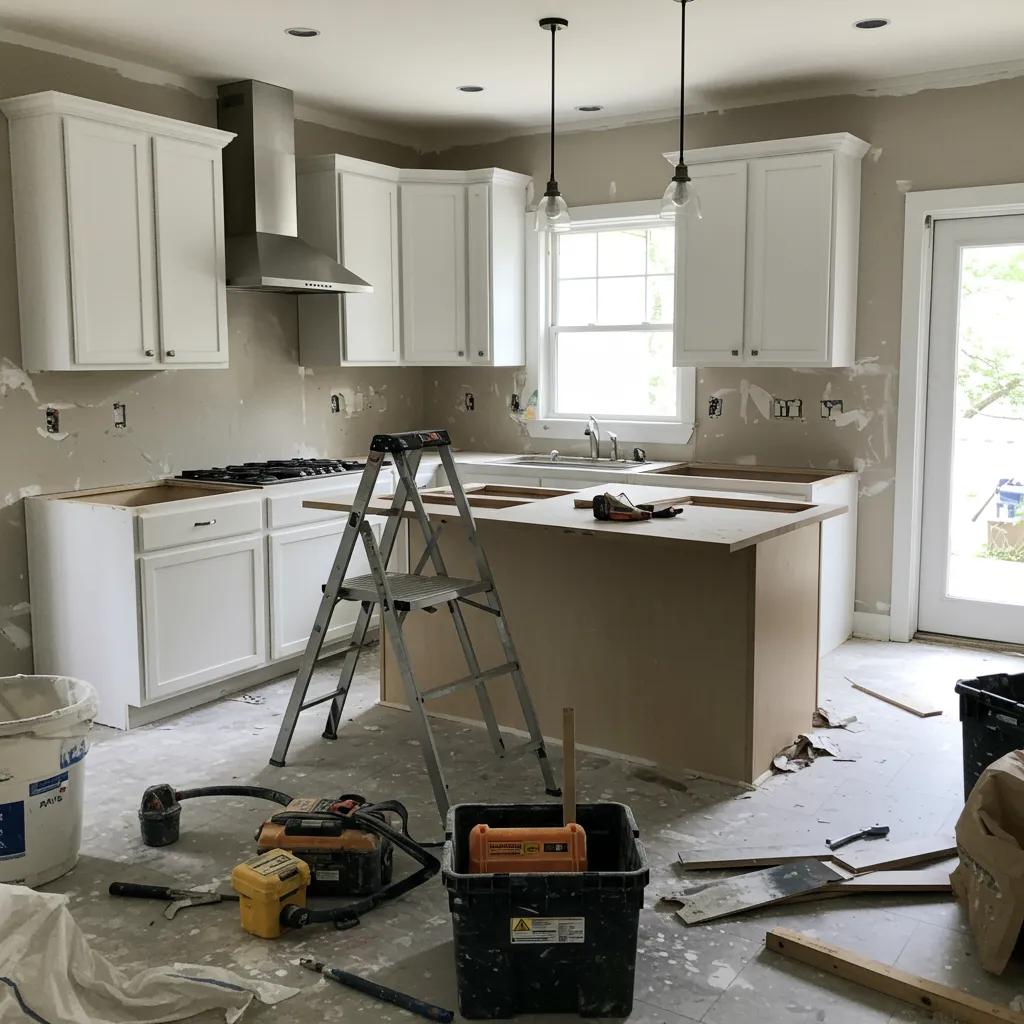
Essential Guide to Fort Worth Kitchen Remodeling Permits
Understanding Fort Worth Kitchen Remodeling Permits: Complete Guide to Permit Requirements and Application Process
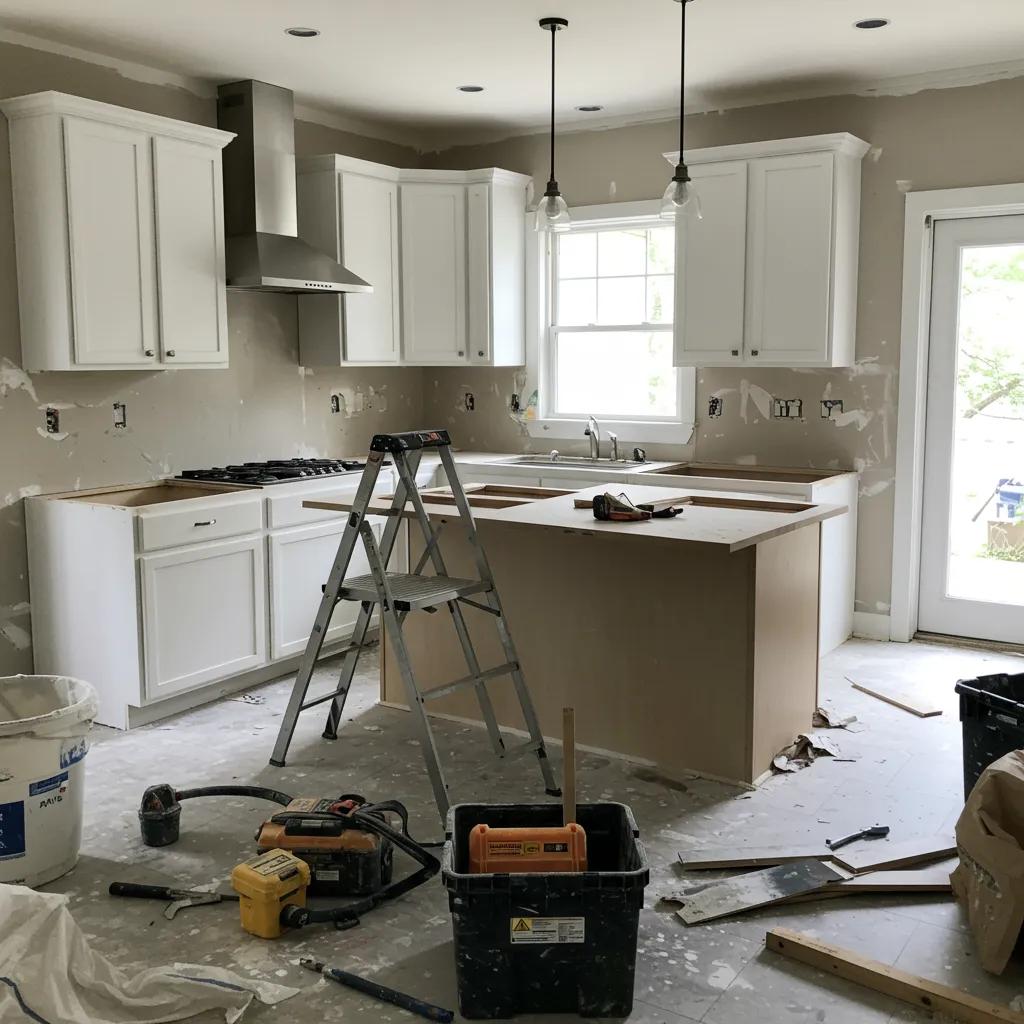
Kitchen remodeling permits in Fort Worth are city-approved authorizations that allow homeowners and contractors to alter structural, electrical, plumbing, or mechanical systems in residential kitchens while ensuring safety and code compliance. These permits exist because changes to load-bearing elements, electrical service, gas lines, plumbing, or ventilation can affect occupant safety, building integrity, and insurance coverage, and the permit process helps verify work meets current standards. This guide explains what triggers a permit, the main permit types you’ll encounter, how to apply via the Fort Worth permit portal, and realistic cost and timeline expectations so you can plan a smooth kitchen renovation. Homeowners will learn step-by-step application procedures, required documents, inspection checkpoints, and practical ways to avoid delays or penalties. The article also describes how licensed contractors typically manage permit workflows, with a brief explanation of how SCS Contracting & Remodeling DFW supports Fort Worth clients through the permitting lifecycle. Read on for decision checklists, comparison tables, and contractor-focused tips to streamline your permitted kitchen remodel.
Do I Need a Permit for My Kitchen Remodel in Fort Worth, TX?
A permit is required when a kitchen remodel changes a regulated building system, such as a structural wall, electrical circuits, plumbing fixtures, gas lines, or HVAC ventilation; the permit ensures the change is reviewed for safety and code compliance. The Fort Worth Development Services Department enforces these thresholds so homeowners and remodelers follow building codes that protect property value and occupant safety. Determining permit need often depends on the scope—cosmetic upgrades generally do not trigger permits, while layout, service, or mechanical changes do—so use a simple decision checklist before starting work. Below are common trigger conditions and examples that clarify when a permit is required; these help you decide whether to consult the city or engage a licensed contractor for a formal determination.
When Are Permits Required for Fort Worth Kitchen Renovations?
Permits are typically required for work that alters a building’s structure, electrical service, plumbing supply or waste systems, gas piping, or mechanical systems such as ventilation and ductwork. For example, removing a load-bearing wall to open a kitchen to adjacent spaces triggers a building permit because structural support is affected. Reconfiguring circuits to add kitchen appliances or installing a new electric range requires an electrical permit to confirm wiring safety and proper capacity. When gas lines are added or modified for a range or cooktop, a gas/plumbing permit is necessary to verify leak prevention and proper venting. If any of these conditions apply, consult the Fort Worth permit portal or a licensed contractor before work begins to avoid stop-work orders and costly remediation.
Which Kitchen Remodel Elements Require Permits?
Specific kitchen elements map directly to permit types based on the trade affected and the risk involved. Moving or altering walls—especially load-bearing—requires a building permit and possibly engineered drawings. Rewiring for extra outlets, dedicated appliance circuits, or new lighting requires an electrical permit and inspection. Relocating sinks, installing new drains, or altering gas lines requires plumbing permits with inspection stages. Upgrading range hoods, adding ductwork, or changing HVAC systems generally triggers a mechanical permit. When a single change touches multiple systems—for example, removing a wall to relocate plumbing and wiring—expect multiple permits and coordinated inspections to be required.
What Kitchen Updates Are Exempt from Permits in Fort Worth?

Cosmetic updates that do not change structure, electrical, plumbing, gas, or mechanical systems are commonly exempt from permits under typical municipal rules. Examples include replacing existing cabinets, countertops, tile or flooring, painting, and swapping non-powered decorative fixtures, provided you do not alter underlying systems. However, exemptions can be voided if exempt tasks are combined with regulated work—installing a new sink or adding a new circuit while replacing countertops will usually require permits. When in doubt, consult the Fort Worth Development Services Department or a licensed contractor to confirm whether the planned work is truly exempt.
What Are the Consequences of Remodeling Without a Permit?
Undertaking regulated work without a required permit can lead to fines, stop-work orders, mandatory removal or rework, and complications when selling the home or filing insurance claims. Unpermitted work may not pass buyer or lender inspections and can reduce resale value or delay closings. If the city discovers unpermitted alterations, you may need to obtain retroactive permits which often require correcting work to meet current code—this can be significantly more costly than obtaining the proper permits upfront. If you find existing unpermitted work, the recommended remediation is to consult the Development Services Department and a licensed contractor to legalize and document the work through inspections and corrected plans.
What Types of Kitchen Remodeling Permits Are Required in Fort Worth?
Fort Worth kitchen remodels commonly require permits that correspond to building, electrical, plumbing, and mechanical trades; each permit type covers a distinct scope of regulated work and inspection checkpoints. Understanding the difference helps homeowners plan submissions and coordinate trades so inspections proceed smoothly. Below is a compact comparison of the main permit types, when they apply, and typical examples of covered work to help you identify which permits your project will need.
Different permit types cover specific aspects of kitchen work and inspection responsibilities.
What Is a Building Permit and When Is It Needed?
A building permit authorizes changes that affect structural systems, fire separation, or occupancy layout and is required when the remodel alters load-bearing walls, modifies floor supports, or expands usable kitchen area. Engineers’ drawings or structural calculations are often required when removing or modifying load-bearing elements to document how the structure will be supported after alterations. Simple non-structural renovations—like replacing cabinets when the existing layout remains intact—usually don’t need a building permit, but any change affecting framing or structure should be documented and submitted for review. If a building permit is required, plans must show how the proposed work maintains structural integrity and complies with Fort Worth building codes.
When Do I Need an Electrical Permit for My Kitchen Remodel?
An electrical permit is needed if the project installs new circuits, upgrades service capacity, adds fixed appliances, or relocates major electrical equipment; these changes ensure wiring, breaker capacities, and grounding meet safety standards. Typical triggers include adding a dedicated 240V circuit for an electric range, installing island receptacles, or rewiring for new lighting layouts. Electrical inspections verify proper grounding, overcurrent protection, and safe device installation to reduce fire risk and ensure code compliance. When planning electrical changes, include detailed electrical diagrams in your permit submission to speed plan review and reduce correction cycles.
What Plumbing Permits Are Required for Kitchen Renovations?
Plumbing permits cover installation or relocation of water supply, drainage, and gas piping for kitchen fixtures, and are required when adding sinks, dishwashers, disposals, or moving drain/waste lines. Gas-line work for ranges or cooktops also typically falls under plumbing or dedicated gas permits, and inspectors verify connections for leaks, correct fittings, and proper venting where applicable. Plumbing inspections occur at rough-in and final stages to confirm pipe slopes, venting, fixture seals, and testing for leaks. Homeowners should include plumbing diagrams and fixture schedules with permit submissions to clarify scope and prevent delays.
When Is a Mechanical or HVAC Permit Necessary?
Mechanical permits are necessary when the project alters kitchen ventilation, installs new range hoods requiring ductwork, or changes HVAC systems that serve the kitchen area, since proper ventilation affects indoor air quality and fire safety. Examples include installing a new downdraft or ducted range hood, routing new ductwork through conditioned spaces, or modifying exhaust systems that impact building pressure balance. Mechanical inspections confirm duct sizing, termination locations, and fan capacities meet code. Coordination between mechanical and other trades is often required so that inspections align with rough-in and final milestones.
How Do I Apply for a Kitchen Remodeling Permit in Fort Worth?
Applying for a kitchen remodeling permit in Fort Worth follows a stepwise online submission, plan review, and inspection scheduling process using the city’s permit portal; accurate documents and clarity on trade scopes accelerate approvals. The portal requires an account, selection of permit types, upload of plans and supporting documents, and payment of applicable fees. Submissions should include floor plans, site plans, electrical and plumbing diagrams, and contractor licensing information when a licensed contractor is performing work. Below is a practical numbered walkthrough to help homeowners prepare and submit a complete application.
Follow these steps when using the Fort Worth online permit portal to apply for kitchen remodel permits.
Create a permit portal account and select the residential permit category that matches the scope of your kitchen remodel.
Choose specific permit subtypes (building, electrical, plumbing, mechanical) that correspond to the trades affected by your project.
Upload required documents including floor plans, site plan, trade diagrams, and contractor license if work is performed by a licensed contractor.
Pay permit fees within the portal and monitor plan review comments from the Development Services Department for revisions or clarifications.
Submitting a complete set of documents and clear trade diagrams reduces the back-and-forth during plan review and helps inspections be scheduled on time. Contractors like SCS Contracting & Remodeling DFW commonly assist clients by preparing drawings, completing portal submissions on behalf of homeowners, and responding to plan review comments to keep the project moving.
How to Use the Fort Worth Online Permit Portal for Kitchen Remodels
The portal process begins with account creation and selecting the correct permit type, then uploading plans, paying fees, and tracking reviewer comments through the dashboard; using consistent file naming and clear plan sheets reduces reviewer confusion. When uploading, include a cover sheet describing the scope, a site plan showing property lines, and detailed floor plans marking the kitchen scope and any removed or added walls. Clear annotation of electrical, plumbing, and mechanical changes on separate diagrams helps reviewers route comments to the correct discipline. Before submitting, double-check that file formats and sizes meet portal requirements to avoid rejected uploads and delays.
What Documents and Plans Are Required for Permit Submission?
A complete submission generally includes a site plan, scaled floor plans showing demolition and new construction, electrical and plumbing diagrams, energy compliance documents if applicable, and contractor licensing information when a licensed contractor will act as the permit holder. Provide clear fixture schedules, circuit maps for electrical work, and notes for structural changes including engineered details where required. Including a cover letter that summarizes scope and trade overlaps helps the reviewer understand combined permit needs. Omitting required documents is a common cause of corrections; a contractor-managed submission can minimize missing items and shorten review cycles.
Introductory checklist for required documents before submission:
Including this checklist with applications helps reviewers understand the submission and typically reduces corrective comments. The following section explains the plan review cycle and how to handle corrections effectively.
What Happens During the Plan Review Process?
During plan review the Development Services Department routes submissions to the appropriate disciplines—structural, electrical, plumbing, mechanical—and issues comments if plans omit information or fail to demonstrate code compliance; each review cycle has a defined response window. Reviewers commonly request clarifications such as additional structural details, circuit calculations, or corrected fixture schedules; responding promptly with revised plans keeps the process moving. Contractors often act as the primary contact to receive comments, prepare corrections, and resubmit documents; this contractor-managed approach reduces homeowner administrative burden. Knowing typical comment types ahead of time lets you anticipate likely corrections and prepare complete responses.
How and When Are Inspections Scheduled for Kitchen Remodel Permits?
Inspections are scheduled after permit issuance and are typically staged: rough inspections (framing, rough electrical/plumbing/mechanical), and final inspections after trades are complete and systems are operational; timing depends on construction progress and inspector availability. Request inspections through the same portal or by phone per city procedures, and ensure the site is accessible with required cover sheets and tags posted. Inspectors verify compliance items such as proper wiring, pipe slopes, ventilation terminations, and structural supports. Coordinating trade sequencing and having a licensed contractor manage inspection scheduling reduces re-inspection risk and expedites final sign-off.
What Are the Typical Costs and Timelines for Fort Worth Kitchen Remodel Permits?

Permit costs and processing times vary with project valuation, number of trades involved, and plan complexity; a modest scope project that only involves cosmetic work or single-trade changes will have lower fees and faster review times than a comprehensive reconfiguration requiring engineered drawings. Typical permit categories each carry separate fees based on valuation or flat-rate schedules, and combined submissions for multiple trades increase the total fee. Processing times for straightforward projects can often be completed in a few weeks, while complex submissions that require structural review or multiple correction cycles may extend to several months. Below is a compact estimate table and practical guidance to help homeowners set a realistic budget and timeline expectation.
These ranges are estimates to help homeowners budget; actual fees and timelines are set by Fort Worth Development Services and depend on project-specific valuation and reviewer workloads. The next subsection offers tips to avoid delays and penalties during the permit process.
How Much Do Kitchen Remodeling Permits Cost in Fort Worth?
Permit costs depend on project valuation, the number of trades affected, and whether engineered or architectural plans are required; fees are typically calculated either by valuation brackets or per-trade flat rates set by the city. Minor electrical or plumbing work generally costs less than full structural permits, while projects requiring stamped engineering or architectural plans increase the plan review cost due to specialist review time. When estimating, include separate fees for each trade and plan review, and allow for contingency to cover correction resubmissions. Transparent budgeting for permit fees helps avoid unexpected outlays during the remodel.
What Is the Average Processing Time for Kitchen Remodel Permits?
Average processing times vary: simple single-trade permits may be reviewed within one to three weeks, while multi-trade or structural remodels requiring engineered documents can extend to four to eight weeks or longer if corrections are needed. Factors that lengthen processing include incomplete submissions, high reviewer workloads, and complex structural changes that demand detailed calculations. Preparing complete, clearly labeled plans and anticipating likely reviewer questions reduces correction cycles and shortens total permit time. Contractors experienced with Fort Worth reviews typically help expedite this process by submitting code-compliant drawings and rapid correction responses.
How Can I Avoid Delays and Penalties During the Permit Process?
Prevent delays by submitting complete documentation, using clear trade diagrams, providing accurate valuation figures, and responding promptly to plan review comments; coordination among trades reduces inspection conflicts. Ensure contractor licensing information is up to date when work is performed by a licensed contractor, and schedule inspections only when work is accessible and ready for inspection to avoid re-inspection fees. If a stop-work or correction is issued, follow the city’s correction list and work with a licensed contractor to remediate quickly and request re-inspection. For homeowners who prefer minimal administrative burden, hiring a contractor to manage submissions and inspections is an effective mitigation strategy.
Why Choose SCS Contracting & Remodeling DFW for Your Permitted Kitchen Remodel in Fort Worth?
SCS Contracting & Remodeling DFW is a highly-rated home remodeling contractor based in Fort Worth, TX, offering full-service kitchen remodeling with a design-build approach that includes permit management and trade coordination. They position themselves as a local lead generation and information hub that handles plan preparation, portal submission, response to plan review comments, and inspection scheduling to reduce homeowner administration. SCS emphasizes expert craftsmanship, custom solutions, transparent communication, and proven customer satisfaction—attributes noted alongside over 112 five-star reviews in public listings—making them a practical option for homeowners seeking a single point of accountability for permitted remodels. Below are specific ways SCS supports Fort Worth clients through the permit lifecycle and the benefits of hiring a licensed, insured contractor.
SCS handles permit management for homeowners through a structured workflow that transfers administrative responsibility from the homeowner to the contractor.
SCS prepares and assembles required drawings and trade diagrams before submission.
SCS submits applications through the Fort Worth permit portal on behalf of clients, including contractor licensing information when applicable.
SCS manages plan review responses and coordinates re-submissions to address reviewer comments efficiently.
SCS schedules and coordinates inspections with trades to align rough and final inspections and minimize re-inspection delays.
This contractor-managed approach reduces the homeowner’s administrative workload and leverages SCS’s local experience to navigate reviewer expectations and inspection sequencing. The following list summarizes benefits of hiring a licensed and insured contractor like SCS.
Benefits of hiring a licensed and insured contractor for permitted kitchen remodels:
Legal and code compliance:Contractors ensure work meets Fort Worth building codes and inspection requirements.
Project coordination:A single contractor coordinates trades, timelines, and inspections to reduce scheduling conflicts.
Accountability and protection:Licensed contractors provide insurance and professional accountability that help protect homeowners.
These benefits illustrate why many Fort Worth homeowners choose contractor-managed permit submissions to reduce risk and speed project delivery. SCS’s local reputation and full-service approach make them a natural fit for homeowners seeking this level of support.
How Does SCS Manage Fort Worth Kitchen Remodeling Permits for Clients?
SCS takes ownership of permit tasks that most homeowners find time-consuming: compiling plan sets, preparing trade diagrams, submitting through the Fort Worth portal, and addressing reviewer corrections until approvals are granted. They coordinate subcontractors for electrical, plumbing, and mechanical work and align inspection timing so rough and final inspections proceed without unnecessary gaps. By acting as the primary contact with the Development Services Department, SCS reduces the number of correction cycles and expedites project flow. This hands-on permit management minimizes homeowner involvement in administrative tasks and focuses homeowner attention on design and finish selections.
What Are the Benefits of Hiring a Licensed and Insured Contractor Like SCS?
Hiring a licensed and insured contractor brings several practical advantages: compliance with code and inspection requirements, single-point accountability for multi-trade coordination, and reduced liability through contractor insurance and professional oversight. Licensed contractors understand municipal review expectations and common correction triggers, which shortens plan review cycles. Insurance coverage and professional responsibility help protect homeowners from workmanship or safety issues that might otherwise become costly. Overall, contractor-managed projects typically experience fewer delays and clearer communication, which simplifies the remodel experience for homeowners.
What Do Fort Worth Homeowners Say About SCS’s Permit and Remodeling Services?
Public listings and local search results note SCS Contracting & Remodeling DFW as a highly-rated Fort Worth remodeling company with positive indications of customer satisfaction; one reported metric in public summaries references over 112 five-star reviews. While individual testimonials are not reproduced here, prospective clients are encouraged to review reputational indicators and project galleries to verify fit and craftsmanship. SCS’s local experience in the DFW metroplex supports their understanding of Fort Worth permit processes and reviewer preferences, which assists in managing plan review expectations and inspection coordination.
How Can I Request a Free Quote for My Fort Worth Kitchen Remodel?
To request a free quote, homeowners can contact SCS Contracting & Remodeling DFW via the validated phone number or by visiting their public business listing to access contact options; have basic project information ready such as approximate scope, desired layout changes, and whether structural, electrical, plumbing, or mechanical work is planned. Helpful items to prepare before a quote include existing floor plans or photos, a brief description of changes, and any special finish preferences. Providing clear scope details helps SCS produce a more accurate quote that includes anticipated permit fees and timeline estimates. SCS’s local permitting experience can be particularly valuable for clients seeking help with Fort Worth Development Services submissions.
Frequently Asked Questions
What Should I Do If I Discover Unpermitted Work in My Home?
If you find unpermitted work in your home, the first step is to consult the Fort Worth Development Services Department to understand the necessary remediation process. This may involve applying for retroactive permits and having the work inspected to ensure it meets current codes. Engaging a licensed contractor can help document the work and facilitate the inspection process, ensuring compliance and minimizing potential penalties. Addressing unpermitted work proactively can prevent complications when selling your home or during insurance claims.
How Can I Ensure My Kitchen Remodel Meets Fort Worth Building Codes?
To ensure your kitchen remodel complies with Fort Worth building codes, start by familiarizing yourself with the specific requirements for your project. Consult the Fort Worth Development Services Department for guidance on applicable codes and permit requirements. Hiring a licensed contractor experienced in local regulations can also help, as they will understand the nuances of code compliance and can manage the permit application process. Regular communication with your contractor throughout the project will help maintain adherence to all necessary standards.
Are There Any Resources for Homeowners to Learn About Kitchen Remodeling Permits?
Yes, homeowners can access various resources to learn about kitchen remodeling permits in Fort Worth. The Fort Worth Development Services Department website provides comprehensive information on permit requirements, application processes, and building codes. Additionally, local home improvement workshops or seminars may offer insights into the remodeling process. Engaging with licensed contractors can also provide valuable knowledge and assistance in navigating the permitting landscape, ensuring a smoother remodeling experience.
What Are the Common Mistakes Homeowners Make When Applying for Permits?
Common mistakes homeowners make when applying for permits include submitting incomplete documentation, failing to provide accurate project valuations, and not understanding the specific permit types required for their project. Additionally, homeowners may overlook the need for detailed plans or diagrams, which can lead to delays in the review process. To avoid these pitfalls, it’s advisable to consult with a licensed contractor who can guide you through the application process and ensure all necessary information is included.
How Can I Prepare for a Permit Inspection?
Preparing for a permit inspection involves ensuring that all work is accessible and ready for review. This includes having necessary documentation, such as permit copies and inspection checklists, readily available on-site. Clear communication with your contractor about the inspection schedule is crucial, as they can help coordinate the timing and ensure that all trades are completed before the inspection. Additionally, addressing any potential issues beforehand can help facilitate a smooth inspection process and avoid re-inspections.
What Should I Expect During the Permit Review Process?
During the permit review process, your application will be evaluated by the Fort Worth Development Services Department to ensure compliance with building codes and regulations. Reviewers may request additional information or clarifications, which can lead to multiple review cycles. The timeline for this process can vary based on the complexity of your project and the completeness of your submission. Being responsive to reviewer comments and providing clear, detailed plans can help expedite the review and approval process.
Can I Make Changes to My Project After the Permit Is Issued?
Yes, you can make changes to your project after the permit is issued, but it’s essential to notify the Fort Worth Development Services Department and potentially apply for an amendment to your existing permit. Significant changes, especially those affecting structural, electrical, or plumbing systems, may require additional permits or inspections. Consulting with your licensed contractor can help you navigate this process and ensure that any modifications remain compliant with local building codes.
Do I Need a Permit for Kitchen Cabinets or Countertops in Fort Worth?
Generally, replacing cabinets or countertops without altering structure, plumbing, electrical, or gas systems is exempt from permit requirements; simple replacements that keep existing openings and services in place are commonly treated as cosmetic changes. However, if cabinet replacement involves cutting into walls, moving sinks, or adding electrical or gas outlets, permits may be required. When a project includes both cosmetic and regulated work, obtain permits for the regulated portion to avoid enforcement actions. Contractors like SCS can confirm permit needs during a pre-construction review and include permit costs in a comprehensive quote.
What Are the Penalties for Building Without a Permit in Texas?
Penalties for performing regulated work without a permit can include fines, stop-work orders, and mandatory corrective actions to bring work up to code, and these outcomes can complicate resale or insurance coverage. In many cases the Development Services Department requires retroactive permit applications and inspections, which can reveal deficiencies that must be corrected. To resolve unpermitted work, contact the city to understand the remediation path and engage a licensed contractor to document and remediate the work for inspector approval. Addressing matters proactively reduces legal and financial exposure.
Can I Handle the Permit Application Myself or Should I Hire a Contractor?
Homeowners can submit simple, single-trade permit applications themselves if they understand the submission requirements and the scope is limited, but hiring a licensed contractor is advisable for projects involving multiple trades, structural changes, or engineered drawings. Contractors bring experience preparing discipline-specific diagrams, completing portal submissions, and responding to plan review comments efficiently. A contractor-managed submission also centralizes inspection scheduling and trade coordination, lowering the risk of re-inspections and schedule overruns. If you prefer DIY for small tasks, confirm scope with the Development Services Department; for complex remodels, consider professional permit management.
How Often Do Fort Worth Building Codes and Permit Requirements Change?
Building codes and permit requirements are periodically updated to reflect safety, energy, and accessibility standards; municipalities like Fort Worth adopt new code editions or amendments on schedules set by municipal authorities. Homeowners and contractors should check the City of Fort Worth Development Services Department resources regularly and confirm current requirements before submission, especially for projects planned in the coming months. Staying current on code changes ensures plan compliance and reduces the likelihood of surprise corrections during plan review. For projects in development, consult the Development Services Department or a licensed contractor to confirm the applicable code edition and submission expectations.
Conclusion
Understanding the permit requirements for kitchen remodeling in Fort Worth is essential for ensuring compliance and avoiding costly penalties. By following the outlined steps and utilizing the resources available, homeowners can navigate the permitting process with confidence and ease. For a seamless experience, consider partnering with a licensed contractor who can manage the complexities of permits and inspections on your behalf. Start planning your dream kitchen remodel today and explore how SCS Contracting & Remodeling DFW can assist you in achieving your vision.
